7 Hilarious Landscaping Jokes That Will Brighten Your Day
7 Hilarious Landscaping Jokes That Will Brighten Your Day
Looking for a good laugh? Check out these 7 landscaping jokes that will have you in stitches! From lawns to hedges, we've got the humor you need.

Introduction:
Who says landscaping has to be serious all the time? Sometimes, a good laugh is just what you need to lighten the mood. In this article, we'll explore seven landscaping jokes that are sure to bring a smile to your face. From puns about lawns to quips about shrubbery, get ready to chuckle your way through the world of landscaping humor.
Landscaping Jokes:
Why did the scarecrow win an award?
Because he was outstanding in his field!
Ah, the timeless charm of a classic pun. This joke perfectly captures the essence of a well-tended field and the importance of standing out. It's a reminder that even in the world of landscaping, a little creativity can go a long way.
"Why did the scarecrow win an award? Because he was outstanding in his field!" This classic joke plays on the double meaning of "outstanding." On one hand, it refers to the scarecrow's exceptional performance or achievement, suggesting that he excelled in his role of guarding the field. On the other hand, it humorously implies that the scarecrow physically stood out in the field due to his presence, as scarecrows are typically placed prominently to deter birds and pests.
Beyond its surface-level humor, this joke also offers a subtle commentary on the idea of recognition and success. It highlights the notion that even in unconventional or overlooked roles, individuals can still make significant contributions worthy of acknowledgment. In a world where recognition often goes to the most visible or conventional achievers, the joke celebrates the idea that excellence can be found in unexpected places.
Overall, "Why did the scarecrow win an award? Because he was outstanding in his field!" encapsulates the essence of clever wordplay, whimsical imagery, and a touch of irony. It's a timeless joke that continues to bring smiles to faces, reminding us to appreciate the unexpected moments of brilliance in our everyday lives.
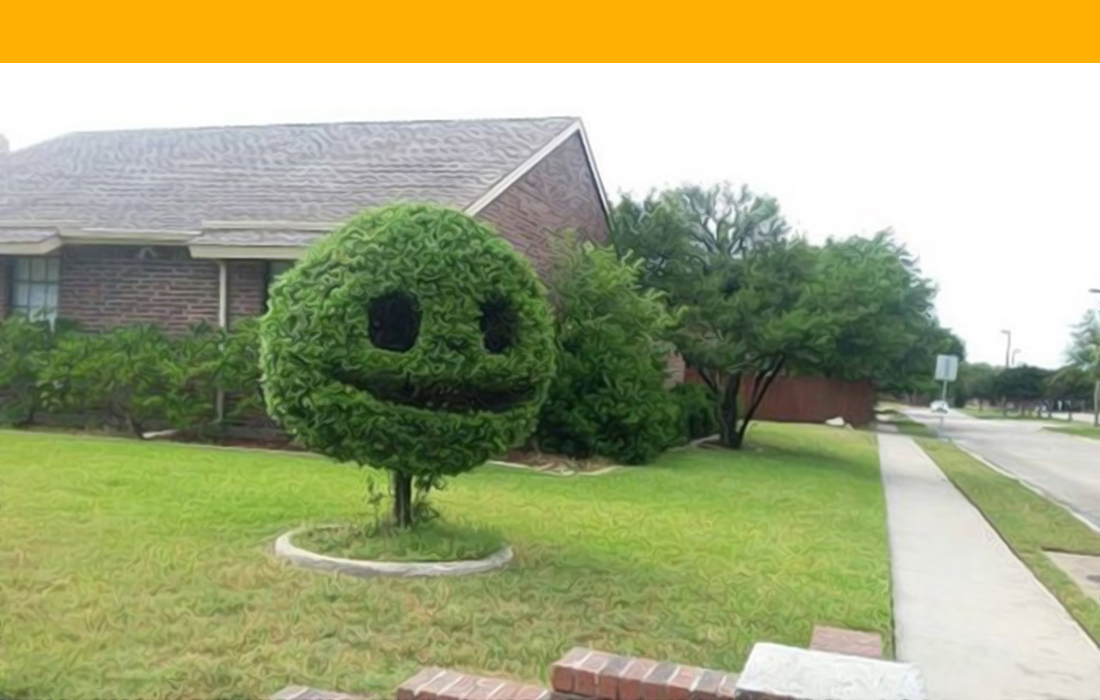
What did the grass say to the lawnmower?
Are you cutting in line?
This witty exchange between grass and lawnmower highlights the playful side of lawn maintenance. It's a humorous take on the daily battle between nature and machinery, reminding us to approach our outdoor chores with a sense of humor.
"What did the grass say to the lawnmower? Are you cutting in line?" This witty exchange between grass and lawnmower plays on the dual meanings of "cutting" to create a humorous scenario. On one level, "cutting" refers to the act of mowing the grass, which the lawnmower is designed to do. However, the joke cleverly twists the meaning to suggest that the lawnmower is "cutting in line," implying that it's bypassing the natural order of things by cutting the grass before its time.
This joke not only elicits a chuckle but also offers a playful commentary on the relationship between humans and nature. It anthropomorphizes the grass, giving it a voice and personality, and portrays the lawnmower as an eager participant in the scene. In doing so, it invites us to consider the humorous dynamics that exist in our interactions with the environment around us.
Overall, "What did the grass say to the lawnmower? Are you cutting in line?" showcases the power of wordplay to create amusing situations out of everyday scenarios. It's a lighthearted reminder to find humor in the mundane and appreciate the whimsical side of life.
Why did the gardener plant a light bulb?
He wanted to grow a power plant!

This joke combines wordplay with a nod to environmental consciousness, showcasing the cleverness that can be found in the world of landscaping humor. It's a lighthearted reminder that even the simplest of gardening tasks can be infused with humor.
"Why did the gardener plant a light bulb? He wanted to grow a power plant!" This clever joke cleverly combines the idea of gardening with a playful twist on the concept of a "power plant." While the phrase typically refers to a facility that generates electricity, the joke humorously interprets it as a plant that grows from a light bulb.
The humor lies in the juxtaposition of the literal and figurative meanings of "power plant." On one level, it plays on the gardener's desire to grow something unconventional—a plant from a light bulb—while on another level, it creates a humorous image of a plant that produces electrical power. This unexpected interpretation adds an element of surprise to the joke, making it both witty and memorable.
Beyond its comedic value, the joke also offers a subtle nod to the ingenuity and creativity of gardeners. It celebrates the idea of thinking outside the box and experimenting with unconventional gardening methods to achieve surprising results. In doing so, it invites us to embrace a spirit of innovation and imagination in our own gardening endeavors.
Overall, "Why did the gardener plant a light bulb? He wanted to grow a power plant!" is a delightful example of wordplay that combines humor with a touch of whimsy. It's a reminder to approach gardening—and life—with a sense of creativity and humor, always ready to see the unexpected potential in everyday objects.
What do you call a tree that tells jokes?
A pun-gent!
This joke takes a playful spin on the idea of trees having personalities, adding a dash of wordplay for good measure. It's a reminder that laughter can be found in unexpected places, even among the branches of a tree.
"What do you call a tree that tells jokes? A pun-gent!" This clever play on words combines the idea of a pun—a type of wordplay often used in jokes—with the word "pungent," which typically describes a strong, sharp smell. The result is a humorous image of a tree that not only tells jokes but also emits a strong pun-like odor.
The humor in this joke lies in the unexpected pairing of the word "pungent" with the concept of a joke-telling tree. It creates a whimsical scenario where trees, typically known for their silent presence in nature, suddenly become active participants in the world of humor. Additionally, the word "pungent" adds a layer of wordplay to the joke, enhancing its cleverness and wit.
Beyond its comedic value, the joke also showcases the power of wordplay to create memorable and entertaining humor. It encourages us to think creatively about language and to appreciate the playful possibilities inherent in words and their meanings.
Overall, "What do you call a tree that tells jokes? A pun-gent!" is a delightful example of wordplay that combines humor with a touch of imagination. It's a reminder to embrace the unexpected and to find joy in the clever twists and turns of language.
Why was the lawnmower afraid of the grass?
It heard it was a cut above the rest!
This joke cleverly plays on the idea of competition in the world of landscaping, using wordplay to create a humorous image of a fearful lawnmower. It's a reminder that even the most mundane tasks can be transformed into moments of amusement.
"Why was the lawnmower afraid of the grass? It heard it was a cut above the rest!" This joke cleverly plays on the double meaning of "cut above the rest." On one level, it refers to the grass being trimmed shorter than the surrounding vegetation, implying that it's superior or exceptional in quality. However, the joke humorously twists the meaning to suggest that the grass is not just physically taller but also figuratively "a cut above the rest" in terms of excellence.
The humor in this joke lies in the unexpected personification of the grass as a competitor to the lawnmower, creating a playful dynamic between the two. By attributing fear to the lawnmower, the joke humanizes the machine and adds an element of whimsy to the scenario. Additionally, the wordplay on "cut above the rest" adds depth to the joke, making it both witty and memorable.
Beyond its comedic value, the joke also offers a lighthearted commentary on competition and excellence. It humorously imagines a world where even the grass can outshine its mechanical counterpart, reminding us to appreciate the unexpected ways in which nature can surprise us.
Overall, "Why was the lawnmower afraid of the grass? It heard it was a cut above the rest!" is a delightful example of wordplay that combines humor with clever imagery. It's a reminder to find joy in the unexpected and to appreciate the playful possibilities inherent in language.
What's a landscaper's favorite type of music?
Rock and mulch!
This joke combines two common elements of landscaping—rocks and mulch—with a clever play on words. It's a reminder that humor can be found in the most unexpected places, even in the world of landscaping materials.
"What's a landscaper's favorite type of music? Rock and mulch!" This humorous joke cleverly combines the term "rock and roll" with "mulch," a common material used in landscaping. The result is a playful play on words that creates a whimsical image of landscapers enjoying a unique genre of music tailored to their profession.
The humor in this joke lies in the unexpected pairing of "rock and roll" with "mulch," which creates a humorous juxtaposition between music and landscaping materials. By substituting "mulch" for "roll," the joke adds a creative twist to a familiar phrase, resulting in a pun that is both clever and amusing.
Beyond its comedic value, the joke also offers a lighthearted nod to the world of landscaping and the creativity and ingenuity required in the profession. It playfully suggests that landscapers have their own distinct tastes and preferences, even when it comes to music.
Overall, "What's a landscaper's favorite type of music? Rock and mulch!" is a delightful example of wordplay that combines humor with a touch of whimsy. It's a reminder to find joy in the unexpected and to appreciate the playful possibilities inherent in language.
Why did the gardener bring a ladder to work?
Because he heard the plant was reaching new heights!
This joke highlights the whimsical side of gardening, imagining a world where plants have ambitions of their own. It's a playful reminder that even the most ordinary tasks can be infused with humor and imagination.
"Why did the gardener bring a ladder to work? Because he heard the plant was reaching new heights!" This joke cleverly combines the literal and figurative meanings of "reaching new heights" to create a humorous scenario. On one level, it suggests that the plant is growing taller than expected, prompting the gardener to bring a ladder to tend to it. However, the joke also playfully interprets "reaching new heights" as a metaphor for achieving success or greatness, adding a layer of wordplay to the punchline.
The humor in this joke lies in the unexpected twist on a common phrase, which creates a whimsical image of a gardener responding to the ambitious growth of a plant. By attributing human-like qualities to the plant and imagining it striving for success, the joke adds a playful element to the world of gardening.
Beyond its comedic value, the joke also offers a lighthearted commentary on the dedication and care that gardeners invest in their plants. It humorously suggests that even the most mundane tasks, such as pruning a plant, can take on new significance when approached with enthusiasm and imagination.
Overall, "Why did the gardener bring a ladder to work? Because he heard the plant was reaching new heights!" is a delightful example of wordplay that combines humor with a touch of whimsy. It's a reminder to find joy in the unexpected and to appreciate the playful possibilities inherent in language.
Frequently Asked Questions (FAQs):
How can I use landscaping jokes to lighten the mood in my garden?
Adding a touch of humor to your garden can be as simple as placing a funny sign or statue among your plants. You can also incorporate jokes into your garden decor or share them with friends and family during outdoor gatherings.
Are there any risks associated with using landscaping jokes?
While landscaping jokes can be a fun way to lighten the mood, it's important to consider your audience and the context in which you're sharing them. Avoid jokes that may be offensive or inappropriate, and always use discretion when incorporating humor into your landscaping.
Can landscaping jokes help improve the overall atmosphere of my outdoor space?
Yes! Laughter has been shown to reduce stress and improve mood, so incorporating landscaping jokes into your outdoor space can help create a more relaxed and enjoyable atmosphere for you and your guests.
Where can I find more landscaping jokes?
There are many resources available online for landscaping jokes, including websites, books, and social media accounts dedicated to humor in the gardening and landscaping community. You can also try coming up with your own jokes based on your experiences in the garden.
What are some other ways I can add humor to my landscaping?
In addition to jokes, you can incorporate humor into your landscaping through whimsical garden decor, playful plant arrangements, and creative landscaping features. Don't be afraid to let your personality shine through in your outdoor space!
Are there any landscaping jokes that are particularly popular or well-known?
Yes, there are many classic landscaping jokes that have stood the test of time and remain popular among gardeners and landscapers. Some examples include puns about lawns, jokes about gardening tools, and humorous anecdotes about plant care.
Conclusion:
In the world of landscaping, a little humor can go a long way. Whether you're tending to your garden or simply enjoying the great outdoors, don't be afraid to lighten the mood with a good laugh. From puns about lawns to quips about shrubbery, there's no shortage of landscaping jokes to brighten your day and bring a smile to your face.
Remember, a well-tended garden isn't just about beautiful flowers and lush greenery—it's also about creating a welcoming and enjoyable space where laughter can bloom.


