Bathroom Sink Drain Installation Mistakes to Avoid: Ensuring Smooth Flow
Bathroom Sink Drain Installation Mistakes to Avoid: Ensuring Smooth Flow
Installing a bathroom sink drain may seem like a straightforward task, but overlooking crucial details can lead to annoying leaks and plumbing issues down the line. To ensure a smooth and trouble-free drain installation, here are some common mistakes to avoid:
1. Ignoring Local Building Codes:
Building codes and regulations vary by location. Ignoring these codes can result in costly fines and complications.
Always check your local building codes and follow them meticulously during the installation process.
2. Choosing the Wrong Drain Type:
Bathroom sink drains come in various types, including pop-up, grid, and push-button drains.
Ensure you select a drain that suits your sink and personal preferences, and make sure it's compatible with your plumbing system.
3. Misaligning the Drain Pipe:
Proper alignment of the drain pipe is crucial for preventing leaks. Misalignment can cause water to seep out or slow down the drainage.
Use a level and carefully measure to ensure the drain pipe is correctly aligned with the sink drain opening.
4. Over-Tightening or Under-Tightening Connections:
Tightening connections is essential, but over-tightening can damage components or cause leaks.
Conversely, under-tightening can result in loose connections and water seepage.
Follow the manufacturer's recommendations for proper torque or use a wrench specifically designed for plumbing.

5. Not Using Plumber's Tape or Thread Sealant:
Plumber's tape (Teflon tape) or thread sealant should be used on threaded connections to prevent leaks.
Apply a few wraps of tape or a thin layer of sealant to the threads before assembling the parts.
6. Incorrectly Seating the Drain Flange:
Ensure the drain flange is seated properly in the sink basin before securing it.
An improperly seated flange can lead to leaks and difficulty in opening or closing the drain.
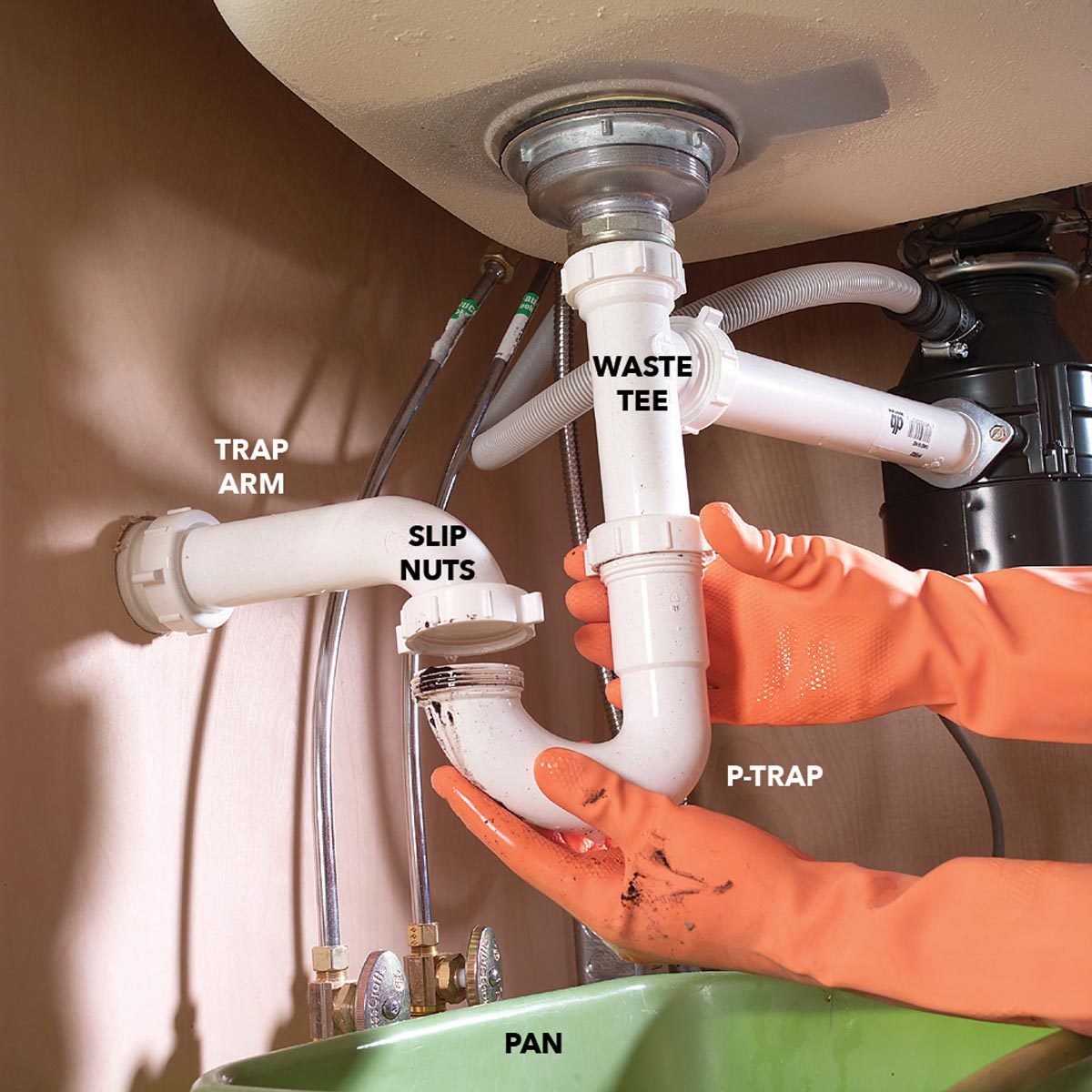
7. Neglecting the P-Trap:
The P-trap is essential for preventing sewer gases from entering your bathroom. Installing it incorrectly can lead to unpleasant odors.
Ensure the P-trap maintains its U-shape and does not become inverted during installation.
8. Forgetting to Test for Leaks:
Before finalizing the installation, test the drain for leaks by running water.
Look for any drips or moisture around the connections and address them promptly.
9. Not Having Proper Tools and Supplies:
Ensure you have all the necessary tools and supplies before starting the installation.
Missing a vital component or tool can lead to a stalled project or improper installation.
10. Skipping Maintenance:
- After installation, regular maintenance is crucial to keep your sink drain functioning correctly.
- Periodically check for clogs, clean the P-trap, and inspect for any signs of wear or damage.
By avoiding these common bathroom sink drain installation mistakes, you can ensure a smooth flow of water, prevent leaks, and enjoy a trouble-free plumbing system in your bathroom. If you're uncertain about any aspect of the installation process, consider consulting a professional plumber to get the job done right.
If you forget to strap down your water lines during the initial pipe installation. Here are nine bathroom plumbing mistakes to avoid when working on your sink shower tub or toilet.

Bathroom Plumbing Mistakes To Avoid In Your Home
9 Bathroom Plumbing Mistakes to Avoid: A Blueprint for Success
Bathroom sink drain installation mistakes to avoid
For a bathroom sink drain to function properly over the long run it must be installed correctly to begin with. Proper installation is the key for your bathroom sink drain to function well in the long run. Using too much putty.
Bathroom sink drain installation. As the time goes by the pipes and drains will loosen and leak. Additionally you should also use high quality parts and materials.
It is basically a sealant material which works like a glue in making fixtures or during installing various parts together. Mistakes to avoid written by do-it-yourself staff. However you can make these issues worse if you don't know what you are doing or read bad online advice.
Plumbers putty for those of you who may not know is a soft and moldable sealant one that you almost always have to use when you install a bathroom sink drain. Remember that pipes and drains don't last forever and as time goes by the connections will start to loosen and leak due to everyday.
This is actually similar to our next major bathroom sink drain installation mistake to avoid. Based on this fact it is recommended that you perform proper installation to ensure durability. Avoid using too much plumbers putty during sink drain installation if you don't know about what is the plumbers putty lets learn about it first.
Sink install repair bathroom sink drain installation mistakes to avoid thanks to the internet its easy to find tips to fix common household plumbing problems. When used correctly it can give you a leak proof seal for years. Here are some common mistakes you can make with bathroom sink drain installation mistakes to avoid read more.
Common Plumbing Mistakes How To Avoid These Most Unpleasant Of Tasks
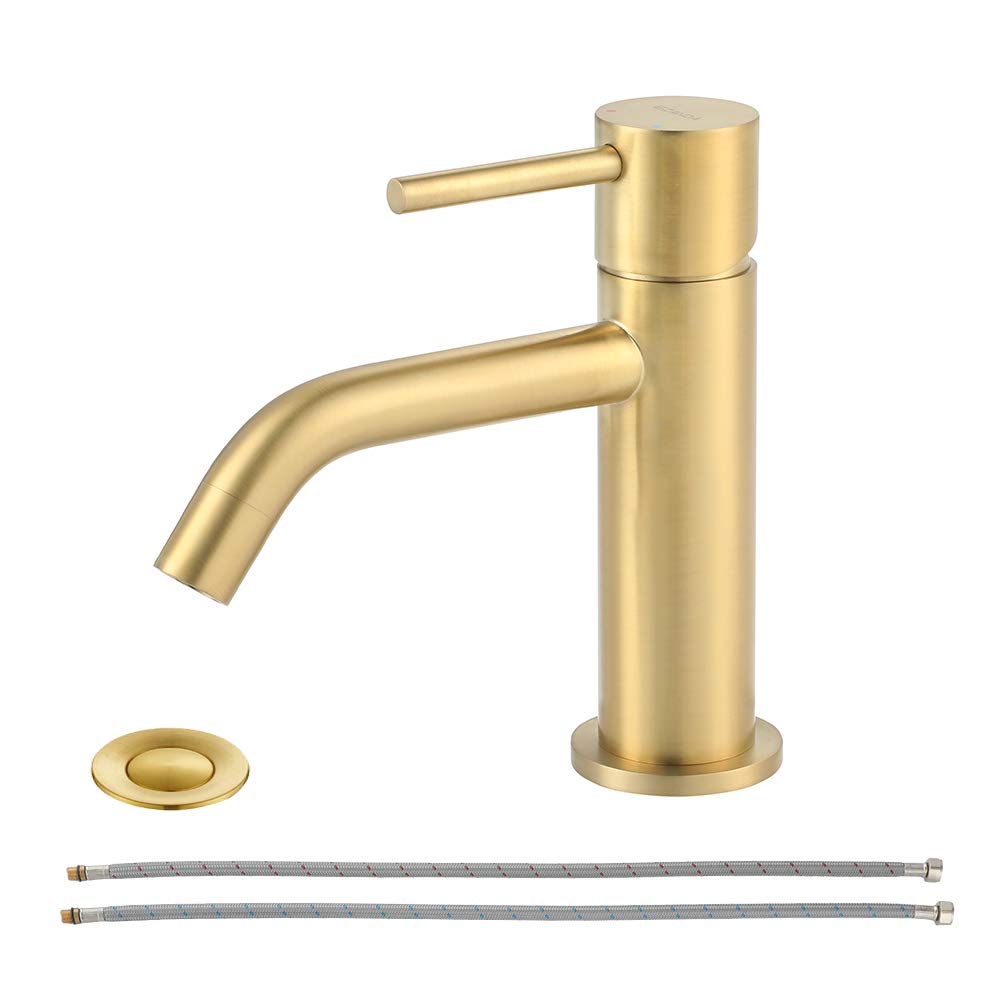 Ezanda Brass Single Handle Bathroom Faucet With Pop Up Sink Drain Assembly Faucet Supply Lines Brushed Gold 1431108 Amazon Com
The Basics Of Sink Plumbing In The Bathroom
The Basics of Sink Plumbing in the Bathroom: A Comprehensive Guide
Understanding the basics of sink plumbing in the bathroom is essential for homeowners and DIY enthusiasts alike. Whether you're installing a new sink or dealing with common plumbing issues, having a grasp of the fundamentals can save you time, money, and headaches. Let's dive into the key components and concepts of sink plumbing.
Components of Bathroom Sink Plumbing
1. Sink: The sink itself is the fixture where you wash your hands, face, and more. It typically has a drain opening, overflow hole, and faucet holes.
2. Faucet: The faucet controls the flow of water into the sink. It's connected to both hot and cold water supply lines.
3. Supply Lines: These are the pipes that deliver hot and cold water from your home's plumbing system to the faucet. They are often made of copper, PEX, or PVC.
4. P-Trap: The P-trap is a U-shaped pipe located under the sink. It prevents sewer gases from entering your bathroom by creating a water seal. It also helps trap debris, preventing clogs further down the drainpipe.
5. Drainpipe: This is the pipe that carries wastewater away from the sink and into the larger plumbing system. It connects to the P-trap and eventually joins the main sewer line.
6. Pop-Up Drain Stopper: This mechanism is commonly found in bathroom sinks. It allows you to plug and unplug the sink to fill it with water or let it drain.
7. Tailpiece: The tailpiece is a short vertical pipe that connects the sink drain to the P-trap. It usually includes a flange or nut for a secure connection.
8. Escutcheon Plate: This decorative plate is used to cover the holes in the sink where the faucet and handles are mounted. It provides a polished look to the installation.
Key Plumbing Concepts
1. Drainage: Gravity plays a crucial role in drainage. Wastewater flows downhill, and the slope of the drainpipe ensures proper drainage. Avoid improper angles or flat sections that can lead to clogs.
2. Ventilation: Proper ventilation is essential to prevent airlock in the drainpipe, which can slow down drainage. Vent pipes allow air to enter the system, maintaining smooth water flow.
3. Water Pressure: Ensure that water pressure is adequate for your faucet's operation. High or low water pressure can affect the sink's performance.
4. Sealing: Use plumber's tape or thread sealant on threaded connections to prevent leaks. Additionally, silicone caulk is often used to seal around the sink's rim.
5. Maintenance: Regularly inspect and maintain your sink plumbing to prevent clogs, leaks, and other issues. Clean the P-trap and check for any loose connections or damaged components.
Troubleshooting Common Issues
1. Clogs: Clogs are a common issue in sink plumbing. Use a plunger or drain snake to clear minor clogs. For severe clogs, you may need to remove and clean the P-trap.
2. Leaks: Leaks can occur at various points in the plumbing system. Inspect connections, seals, and pipes for any signs of moisture or drips. Replace damaged components promptly.
3. Slow Drainage: Slow drainage can be caused by clogs, venting issues, or improper slope in the drainpipe. Diagnose the cause and address it accordingly.
4. Water Pressure Problems: If you experience low water pressure, check for blockages in the supply lines or faucet aerator. High water pressure can be reduced with a pressure regulator.
Understanding the basics of bathroom sink plumbing empowers you to tackle common issues and make informed decisions when installing or maintaining your sink. While some tasks can be DIY projects, it's essential to know your limits and seek professional assistance for complex plumbing problems to ensure the integrity of your home's plumbing system.
 Bathroom Sink Drain Installation Mistakes To Avoid Image Of Bathroom And Closet
Common Mistakes To Avoid When Doing Plumbing Yourself Citywide Services
From Unvented Traps To Inadequate Drain Slopes A Building Inspector Picks His Top 10 In The World Of P Plumbing Installation Residential Plumbing Diy Plumbing
Quickly Unclog Bathroom Sink Using No Chemicals Unclog Bathroom Sinks Bathroom Sink Clogged Sink Bathroom
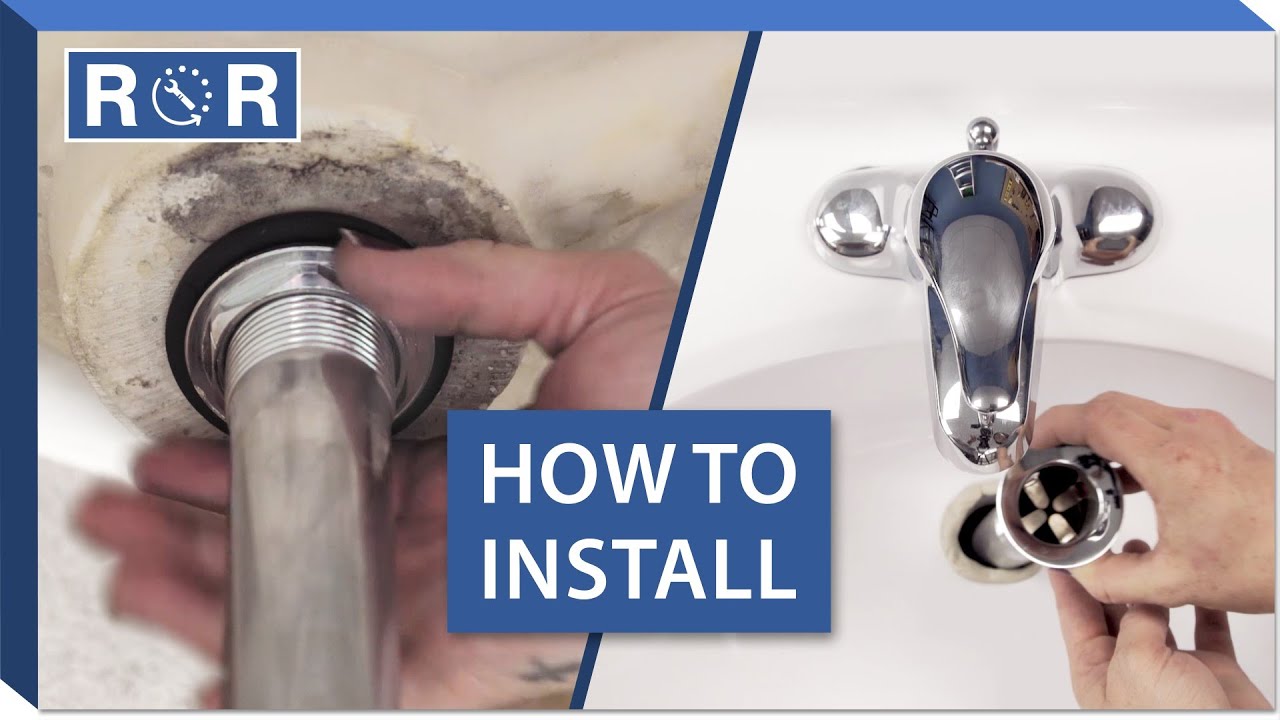 How To Install A Bathroom Sink Drain Repair And Replace Youtube
Small Bathroom Paint Color Ideas Go Green Homes From Small Bathroom Paint Color Ideas Pictures
The 10 Most Common Plumbing Mistakes Dyers Make
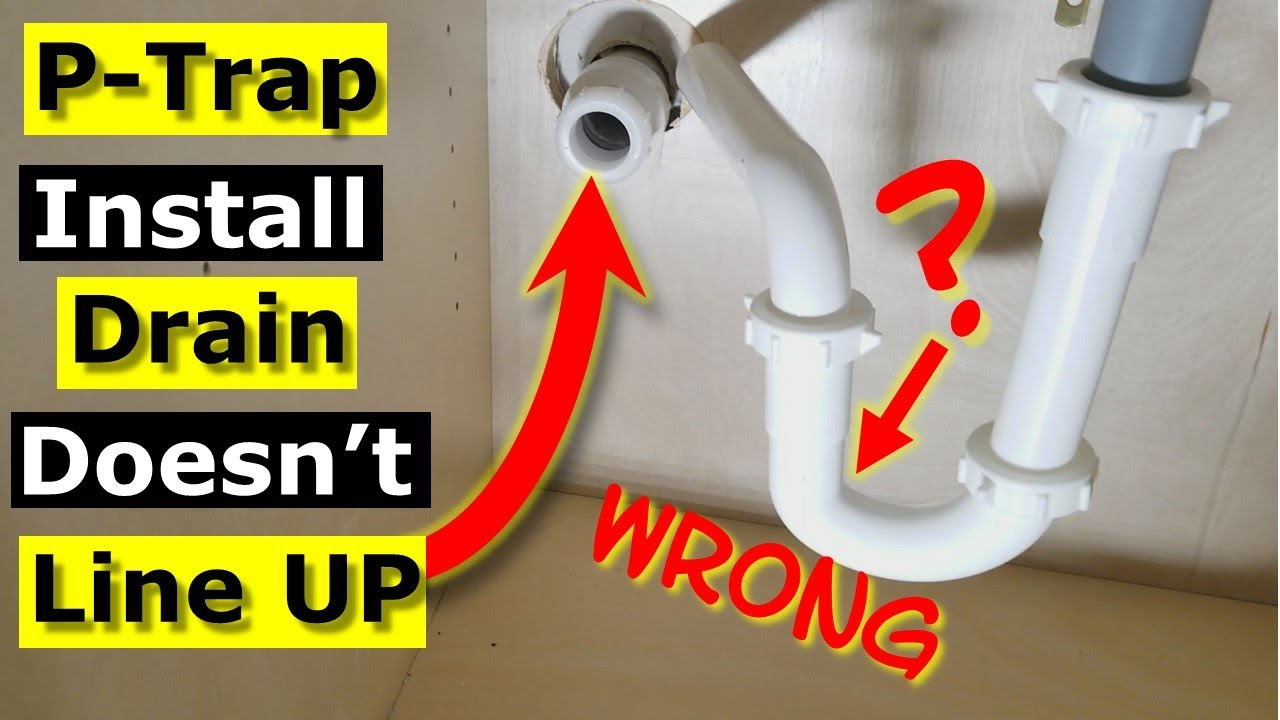 P Trap Installation Drain Doesn T Line Up Bathroom Sink Pipe Youtube
Flexible Sink Drain Sink Drain Bathroom Autoiq Co
:max_bytes(150000):strip_icc()/plumber-working-on-pipes-under-kitchen-sink-169270359-5a9b63bbba61770037c2e7b5.jpg) Learn How To Avoid These Common Plumbing Mistakes
Learn How To Avoid These Common Plumbing Mistakes
 10 Things That Are Ruining Your Home S Plumbing Bob Vila
 Bathroom Remodeling Mistakes Columbus Bath Design
Common Bathroom Sink Drain Installation Mistakes To Avoid And When To Call An Expert Bell Brothers
 Avoid These 10 Mistakes To Keep Your Home Sanitary Dailystar


