Minimalist House Design in the Philippines: Simple Elegance and Functionality
Minimalist House Design in the Philippines: Simple Elegance and Functionality
Minimalist house design has gained immense popularity in recent years due to its emphasis on simplicity, functionality, and clean aesthetics. In the Philippines, where space can be limited and the climate is often warm and tropical, minimalist design principles are particularly appealing. This guide will introduce you to the key elements of minimalist house design in the Philippines.
Table of Contents
Introduction to Minimalist Design
Simplicity in Architecture
Optimal Space Utilization
Natural Light and Ventilation
Color Palette and Materials
Functional and Streamlined Interiors
Incorporating Green Spaces
Conclusion: A Balanced Approach
1. Introduction to Minimalist Design
Minimalism is not just a design style; it's a lifestyle that focuses on decluttering, reducing excess, and promoting a sense of tranquility. In the context of house design, minimalism means achieving more with less.

An introduction to minimalist design provides an overview of the fundamental principles and concepts that define this influential design approach. Minimalist design is characterized by simplicity, functionality, and a focus on essential elements. Let's delve deeper into the description:
- Simplicity and Essentialism: At its core, minimalist design is all about simplicity. It emphasizes the removal of unnecessary elements and distractions in design, leaving only what is essential. This "less is more" philosophy promotes clarity and elegance in design.
- Clean Lines and Space: Minimalist designs often feature clean lines and open spaces. Shapes and forms are straightforward, with an emphasis on geometric shapes. This clean aesthetic creates a sense of order and tranquility.
- Limited Color Palette: Minimalist design typically employs a limited color palette, often favoring neutral colors like white, black, gray, and muted tones. This choice of colors contributes to the overall sense of simplicity and sophistication.
- Typography: Typography in minimalist design is straightforward and unembellished. Sans-serif fonts are commonly used for their clean and modern appearance. Typography is chosen to enhance readability and visual harmony.
- Functional Design: Minimalist design prioritizes functionality. Every element in the design should serve a purpose and contribute to the user's experience or the design's functionality. Unnecessary ornamentation is avoided.
- Negative Space: Negative space, also known as white space, plays a crucial role in minimalist design. It helps create balance and emphasizes the importance of the elements that are present. The strategic use of negative space can draw attention to key elements.
- Material Choice: Materials used in minimalist design are often natural and durable, such as wood, stone, and metal. These materials are selected for their quality and ability to stand the test of time.
- User-Centered: Minimalist design is user-centered, focusing on creating designs that are intuitive and user-friendly. It aims to eliminate confusion and provide a seamless user experience.
- Emphasis on Content: In web and graphic design, minimalist principles are often applied to emphasize content. By removing distractions, the audience's focus is directed toward the essential information or message.
- Versatility: Minimalist design is versatile and can be applied to various design disciplines, including architecture, interior design, graphic design, fashion, and more. Its timeless appeal has made it a popular choice in many creative fields.
- Cultural and Historical Influence: Minimalism has been influenced by various art movements and design philosophies, including Bauhaus, De Stijl, and Japanese Zen aesthetics. These influences have shaped its development and evolution.
- Environmental Considerations: Minimalist design often aligns with sustainability and eco-friendly practices. By focusing on durable, high-quality materials and reducing excess, it can contribute to environmentally conscious design.
In summary, an introduction to minimalist design highlights its core principles of simplicity, functionality, and the elimination of excess. It emphasizes clean lines, open spaces, limited color palettes, and a user-centered approach. Minimalism's versatility and timeless appeal have made it a significant influence in the world of design, providing a foundation for elegant, purposeful, and aesthetically pleasing creations across various disciplines.

2. Simplicity in Architecture
- Clean Lines: Minimalist houses often feature simple, straight lines in their architecture. This creates an elegant and uncluttered appearance.
- Flat Roofs: Flat or slightly sloping roofs are common in minimalist designs. They offer a sleek and modern look.
Simplicity in architecture is a design principle that emphasizes clarity, minimalism, and the elimination of unnecessary elements to create spaces and structures that are straightforward, uncluttered, and elegant. It is a fundamental concept in architectural design that values simplicity as a means of achieving functionality, beauty, and a sense of harmony. Here's a more in-depth exploration of the meaning of simplicity in architecture:
- Clarity of Form: Simplicity in architecture often involves the use of clean, well-defined forms and shapes. Buildings and spaces are designed with clear and easily discernible outlines. Complex or convoluted shapes are typically avoided in favor of straightforward geometry.
- Minimalist Aesthetic: Minimalism is a key aspect of simplicity in architecture. This means using the fewest design elements necessary to achieve the intended purpose or aesthetic. Extraneous ornamentation, excessive detailing, and decorative features that do not serve a functional purpose are typically omitted.
- Functional Efficiency: Simplicity is closely tied to functionality. Architects prioritize the efficient use of space and materials to serve the primary functions of a building or space. This involves careful planning to ensure that every element contributes to the overall usability of the structure.
- Material Honesty: Simplicity often involves the use of honest and authentic materials. Instead of disguising or ornamenting materials to look like something else, architects showcase the natural beauty of materials, such as wood, stone, concrete, or steel. This approach highlights the intrinsic qualities of each material.
- Spatial Clarity: In architectural design, simplicity extends to spatial arrangements. Spaces are organized with clarity in mind, ensuring that circulation paths, sightlines, and functional zones are straightforward and easily understood.
- Reduction of Visual Noise: Architectural simplicity seeks to reduce visual noise and distractions. Unnecessary clutter, busy patterns, and chaotic arrangements are avoided to create an environment that feels tranquil and uncluttered.
- Timelessness: Simple architectural designs often have a timeless quality. By avoiding trendy or overly stylized elements, simple architecture can remain relevant and appealing across different eras.
- Sustainability: Simplicity in architecture can align with sustainable practices. By using fewer materials and designing with energy efficiency in mind, architects can reduce the environmental impact of a building.
- Cultural and Regional Context: Simplicity can vary based on cultural and regional preferences. What is considered simple in one context may differ from another, but the core principle of clarity and minimalism remains.
- Emphasis on Experience: Simple architecture often places a strong emphasis on the human experience of the space. It considers how people will interact with and inhabit the environment, aiming to create spaces that are comfortable and inviting.
In summary, simplicity in architecture is a design philosophy that values clarity, minimalism, and functionality. It seeks to create spaces and structures that are straightforward, efficient, and aesthetically pleasing by eliminating unnecessary elements and focusing on the essential aspects of design. Simple architecture can have a timeless quality and often resonates with people seeking an environment that promotes clarity and harmony.
3. Optimal Space Utilization
- Open Floor Plans: Minimalist homes tend to have open and flexible floor plans. Walls are kept to a minimum to maximize space and create a sense of openness.
- Multi-Functional Areas: Furniture and rooms should serve multiple purposes. For example, a dining table could also function as a workspace.
Optimal space utilization is a concept in design and planning that focuses on making the most efficient and effective use of available space. It is particularly relevant in various fields, including architecture, interior design, urban planning, and facility management. The goal of optimal space utilization is to maximize functionality, convenience, and productivity while minimizing waste and inefficiency. Here's a more detailed exploration of this concept:
- Efficient Layouts: One of the primary aspects of optimal space utilization is creating layouts that make efficient use of available space. This involves careful planning to ensure that every square foot or meter serves a purpose and contributes to the overall functionality of the space.
- Functional Zoning: Spaces are often divided into functional zones or areas, each designed for a specific purpose. For example, in an office, there may be zones for individual workstations, collaborative meeting areas, and relaxation spaces. Proper zoning ensures that each area is used effectively for its intended function.
- Flexibility: Optimal space utilization recognizes the need for flexibility. Spaces should be adaptable to accommodate changing needs and activities. For instance, furniture that can be easily rearranged or folded away when not in use adds flexibility to a room.
- Storage Solutions: Efficient storage solutions are crucial for optimal space utilization. This includes incorporating built-in storage, utilizing vertical space (such as tall cabinets or shelving), and designing storage systems that match the specific needs of the space.
- Multifunctional Furniture: In smaller spaces, multifunctional furniture plays a significant role. Items like sofa beds, dining tables with hidden storage, and wall-mounted desks can serve multiple purposes without taking up excessive room.
- Traffic Flow: Consideration of how people move within a space is essential. Design should ensure that traffic flow is smooth and unobstructed. This involves the placement of doors, hallways, and furniture.
- Natural Light and Ventilation: Effective utilization of natural light and ventilation can make a space feel larger and more pleasant. Proper placement of windows, skylights, and ventilation systems can enhance the overall experience of a space.
- Vertical Space: Don't forget to consider vertical space. High ceilings can be used for storage, hanging art, or creating lofted areas, effectively increasing the usable area of a room.
- Technology Integration: In modern spaces, technology integration is essential for optimal utilization. This includes wiring for electrical and data needs, as well as the incorporation of smart home features that enhance convenience and efficiency.
- Accessibility: Designing for accessibility is crucial to ensure that all individuals, regardless of physical abilities, can fully utilize the space. This includes features like ramps, wider doorways, and accessible bathroom facilities.
- Sustainability: Sustainable design practices can also contribute to optimal space utilization. Features like energy-efficient lighting, insulation, and the use of sustainable materials can reduce the environmental impact of a space.
- Regular Evaluation: Achieving optimal space utilization is an ongoing process. Regular evaluations and assessments of how a space is used can lead to refinements and improvements over time.
In conclusion, optimal space utilization involves careful planning and design to make the most efficient and effective use of available space. It aims to create spaces that are functional, adaptable, and comfortable while minimizing waste and inefficiency. Whether in a home, office, or urban environment, the principles of optimal space utilization contribute to more livable and productive spaces.

4. Natural Light and Ventilation
- Large Windows: Big windows are a hallmark of minimalist design. They bring in natural light, create a connection with the outdoors, and make spaces feel larger.
- Cross-Ventilation: Adequate ventilation is essential in the Philippines' tropical climate. Design your home to allow for cross-ventilation to keep the interior cool.
Natural light and ventilation are crucial elements in architectural design and interior spaces. They have a profound impact on the aesthetics, functionality, comfort, and sustainability of buildings. Let's explore these concepts in greater depth:
Natural Light:
- Daylighting: Natural light, often referred to as daylighting, is the use of natural sunlight to illuminate the interior of a building. It's not just about brightening a space; it's also about creating a connection to the outdoors and reducing the need for artificial lighting during the day.
- Health and Well-being: Exposure to natural light has been linked to improved mood, increased productivity, and better overall well-being. It can regulate circadian rhythms and enhance the body's production of vitamin D.
- Aesthetic Benefits: Natural light can transform the aesthetics of a space. It highlights architectural features, textures, and colors, making them more vibrant and appealing. It can also create a sense of spaciousness.
- Energy Efficiency: Properly designed natural lighting can significantly reduce the need for artificial lighting, resulting in energy savings. This is not only environmentally friendly but also cost-effective for building owners.
- Glare and Shading: While natural light is beneficial, it must be managed to avoid issues like glare and excessive heat gain. The use of shading devices, such as blinds, curtains, or architectural features like overhangs, can help control light levels.
Natural Ventilation:
- Air Quality: Natural ventilation refers to the flow of outdoor air into a building through open windows, doors, or vents, and the removal of indoor air through exhaust openings. It is essential for maintaining good indoor air quality by removing pollutants and providing fresh air.
- Comfort: Proper natural ventilation can help regulate indoor temperatures and create a more comfortable environment. It can reduce the need for mechanical cooling systems in mild weather conditions.
- Energy Efficiency: Natural ventilation can significantly reduce the energy consumption associated with mechanical ventilation and air conditioning systems. It's a sustainable design strategy that aligns with energy-efficient building practices.
- Connection to Nature: Natural ventilation creates a direct connection between the indoor and outdoor environments. It allows occupants to experience the sounds, smells, and breezes of the outdoors, fostering a sense of well-being.
- Passive Cooling: In regions with warm climates, natural ventilation can be used for passive cooling. Cross-ventilation, where air flows through a building from one side to another, can help lower indoor temperatures.
- Design Considerations: Architects and designers must carefully plan the placement of windows, doors, and vents to optimize natural ventilation. Factors such as prevailing winds, building orientation, and local climate conditions influence the design.
- Security and Safety: While natural ventilation is beneficial, it must be balanced with security and safety concerns. Design solutions should prevent unauthorized access and ensure the safety of occupants.
In summary, natural light and ventilation are integral to architectural design. They impact the aesthetics, comfort, energy efficiency, and sustainability of buildings. Properly designed natural lighting can enhance well-being and reduce energy costs, while natural ventilation contributes to better indoor air quality and thermal comfort. The strategic integration of these elements is essential for creating healthy, pleasant, and environmentally responsible spaces.
5. Color Palette and Materials
- Neutral Colors: Minimalist homes often use a neutral color palette, including whites, grays, and earth tones. This creates a soothing atmosphere.
- Natural Materials: Incorporate natural materials like wood and stone for a warm and organic feel.
Color palette and materials are critical components of architectural and interior design that significantly influence the overall aesthetics, atmosphere, and functionality of a space. Let's explore these elements in greater depth:
Color Palette:
- Selection and Harmony: A color palette is a carefully chosen set of colors used in a design. It encompasses wall colors, finishes, furnishings, and decorative elements. Creating a harmonious color palette is essential for achieving a pleasing and cohesive look in a space.
- Mood and Emotion: Colors have a profound impact on mood and emotion. Warm colors like red and orange can create a cozy and energetic atmosphere, while cool colors like blue and green evoke calmness and relaxation. Designers consider the desired emotional response when selecting colors.
- Contrast and Balance: A well-balanced color palette includes a mix of primary, secondary, and tertiary colors. Contrast between light and dark shades, as well as complementary or analogous color schemes, can create visual interest and depth in a design.
- Cultural Significance: Colors can have cultural and symbolic meanings that vary by region and context. Designers must be mindful of cultural sensitivities and preferences when selecting colors, especially in international or multicultural projects.
- Functionality: The functionality of a space can influence color choices. For example, in a workspace, neutral and muted colors may promote focus and productivity, while in a children's playroom, vibrant and playful colors are more appropriate.
- Lighting Effects: Natural and artificial lighting sources interact with colors, affecting their appearance. Designers consider how lighting conditions will impact the chosen color palette and may adjust colors accordingly.
Materials:
- Texture and Tactility: Materials in interior design encompass surfaces, finishes, and textiles. The choice of materials influences the tactile experience of a space. Smooth, rough, glossy, or matte surfaces can evoke different sensations and aesthetics.
- Durability and Maintenance: Materials must be selected based on their durability and maintenance requirements, especially in high-traffic or commercial spaces. Factors like wear and tear, ease of cleaning, and resistance to stains are crucial considerations.
- Aesthetics and Style: Materials contribute to the style and theme of a space. For example, exposed brick and wood beams evoke a rustic or industrial style, while marble and glass convey luxury and modernity.
- Environmental Impact: Sustainable design practices consider the environmental impact of materials. Designers may choose eco-friendly materials, such as recycled or renewable options, to minimize the carbon footprint of a project.
- Cost: The budget of a project often dictates material choices. While luxurious and high-end materials can create a premium look, cost-effective alternatives can achieve similar aesthetics within budget constraints.
- Functionality: Materials must align with the functional requirements of a space. For instance, slip-resistant flooring is essential in bathrooms and kitchens, while acoustically absorbent materials may be used in theaters or conference rooms.
- Local Sourcing: Sustainable design principles also encourage the use of locally sourced materials, reducing transportation costs and supporting local economies.
- Safety and Building Codes: Compliance with safety regulations and building codes is paramount. Materials must meet fire safety, flammability, and toxicity standards to ensure the safety of occupants.
In summary, color palette and materials are integral aspects of design that impact the visual and tactile experience of a space. They are chosen based on factors such as aesthetics, functionality, mood, cultural context, and sustainability. The thoughtful integration of colors and materials is essential for creating spaces that are not only visually appealing but also practical and conducive to the intended use.
6. Functional and Streamlined Interiors
- Built-In Furniture: Custom-built furniture and storage solutions are common in minimalist homes. They maximize space and create a seamless look.
- Clutter-Free Spaces: Keep interiors clutter-free. Only display items that serve a purpose or have personal significance.
Functional and streamlined interiors represent a design approach that prioritizes efficiency, simplicity, and practicality to create spaces that are highly functional while maintaining a clean and uncluttered appearance. This design philosophy is particularly popular in contemporary and minimalist design styles. Let's explore these concepts in more detail:
Functional Interiors:
- Efficient Space Planning: Functional interiors start with meticulous space planning. Every square foot of space is carefully considered and allocated to serve a specific purpose. This ensures that the layout optimally supports the intended activities within the space.
- Clear Zoning: The interior is divided into clear zones or areas based on functionality. For example, in a residential setting, there are distinct zones for living, dining, sleeping, and working. Each zone is designed to fulfill its role efficiently.
- Furniture Selection: Furniture is chosen for its functionality and suitability to the space. Multi-purpose or modular furniture is often favored to maximize utility and adaptability. The arrangement of furniture is thoughtfully planned to enhance flow and usability.
- Storage Solutions: Adequate storage is a hallmark of functional interiors. Built-in storage, such as closets, cabinets, and shelving, is designed to efficiently accommodate belongings and reduce clutter. Storage solutions are tailored to the specific needs of the space.
- Traffic Flow: The layout considers how people move within the space. Walkways and circulation paths are designed to be logical and unobstructed. This enhances safety and convenience.
- User-Centered Design: Functional interiors prioritize the needs and preferences of the users. Design decisions are made with the occupants' comfort, convenience, and well-being in mind. Accessibility features are incorporated for all users, including those with mobility challenges.
Streamlined Interiors:
- Minimalist Aesthetics: Streamlined interiors embrace minimalist aesthetics, favoring simplicity and elegance. Unnecessary ornamentation, excessive decoration, and clutter are avoided. Clean lines and unadorned surfaces create a sense of calm and clarity.
- Neutral Color Palette: A neutral color palette is often used in streamlined interiors. Whites, grays, beiges, and muted tones dominate the color scheme. These colors create a timeless and sophisticated backdrop for the space.
- Sleek Surfaces: Surfaces and finishes are chosen for their sleekness and smoothness. Materials like glass, polished metals, and smooth stone or concrete contribute to the streamlined look. Textures are usually subtle.
- Limited Decorative Elements: Decorative elements are kept to a minimum. Art and accessories are carefully curated, and each piece has a purpose or meaning. Negative space is valued as an essential element of the design.
- Integrated Technology: Modern technology is seamlessly integrated into the design. This includes built-in audiovisual systems, smart home features, and discreet wiring. Technology is functional but unobtrusive.
- Efficient Lighting: Lighting is designed for both functionality and aesthetics. Recessed lighting, track lighting, and fixtures with clean lines contribute to the streamlined appearance. Lighting is often adjustable to create different moods.
- Attention to Detail: Despite the minimalist approach, attention to detail is paramount in streamlined interiors. Precise craftsmanship and meticulous finishes ensure that every element is well-executed.
In summary, functional and streamlined interiors prioritize efficiency and simplicity while maintaining a refined and elegant appearance. These interiors are designed to enhance usability and comfort while minimizing distractions and visual clutter. The result is spaces that are not only highly functional but also visually pleasing and timeless in their design.
7. Incorporating Green Spaces
- Outdoor Integration: Design your home to blend with outdoor spaces. Consider outdoor seating areas and gardens as extensions of your living space.
- Sustainable Landscaping: Choose low-maintenance, native plants for landscaping to minimize water usage and maintenance.
Incorporating green spaces into urban or architectural design involves the intentional integration of natural elements, vegetation, and open areas within built environments. This design approach has numerous benefits for the environment, public health, and overall quality of life. Let's explore the concept of incorporating green spaces in more depth:
Types of Green Spaces:
- Parks and Recreation Areas: These are typically larger green spaces that offer a wide range of recreational opportunities, including playgrounds, sports fields, walking trails, and picnic areas. They serve as community gathering points and provide residents with access to nature.
- Pocket Parks: Smaller, pocket-sized green spaces strategically located within urban areas. They are designed to provide moments of respite and relaxation amid the city's hustle and bustle.
- Green Roofs and Walls: Incorporating vegetation on building rooftops and walls. Green roofs can help with insulation, reduce energy consumption, and improve air quality. Green walls are often used decoratively and for their air-purifying properties.
- Community Gardens: These spaces allow residents to grow their own vegetables, fruits, and flowers. Community gardens promote community engagement, sustainable living, and access to fresh produce.
- Vertical Gardens: Also known as living walls, these are vertical installations of plants on the sides of buildings or structures. They add visual appeal, improve air quality, and can provide insulation.
- Green Courtyards: Enclosed green spaces within larger buildings or complexes. They offer a peaceful retreat for residents, employees, or visitors and can include seating, plantings, and water features.

Benefits of Incorporating Green Spaces:
Environmental Benefits:
- Improved Air Quality: Plants naturally filter pollutants from the air, contributing to cleaner and healthier urban environments.
- Temperature Regulation: Green spaces provide shade and evaporative cooling, helping to mitigate the urban heat island effect.
- Biodiversity: They support local ecosystems by providing habitat for birds, insects, and other wildlife.
Health and Well-being:
- Stress Reduction: Exposure to green spaces has been shown to reduce stress and improve mental health.
- Physical Activity: Parks and recreational areas encourage physical activity, promoting better physical health.
- Social Interaction: Green spaces serve as gathering places, fostering social interaction and community cohesion.
Urban Aesthetics:
- Visual Appeal: Green spaces enhance the visual aesthetics of urban areas, making them more inviting and attractive.
- Property Values: Proximity to green spaces can increase property values and make neighborhoods more desirable.
Sustainability:
- Storm water Management: Green spaces can absorb and filter rainwater, reducing the risk of flooding and improving water quality.
- Energy Efficiency: Green roofs and walls can improve building insulation, reducing energy consumption for heating and cooling.
Resilience:
- Climate Resilience: Incorporating green spaces can contribute to a city's resilience to climate change by mitigating heat, reducing flooding, and providing refuge during extreme weather events.
Community Engagement:
- Gardening and Education: Community gardens and educational programs in green spaces promote sustainable living practices and provide learning opportunities.
Quality of Life:
- Overall Well-being: Green spaces enhance the overall quality of life for residents and visitors by providing access to nature and opportunities for relaxation and recreation.
Incorporating green spaces into urban planning and architectural design requires thoughtful consideration of factors such as location, size, accessibility, and maintenance. When done effectively, these spaces contribute to more sustainable, resilient, and livable cities and communities.
8. Conclusion: A Balanced Approach
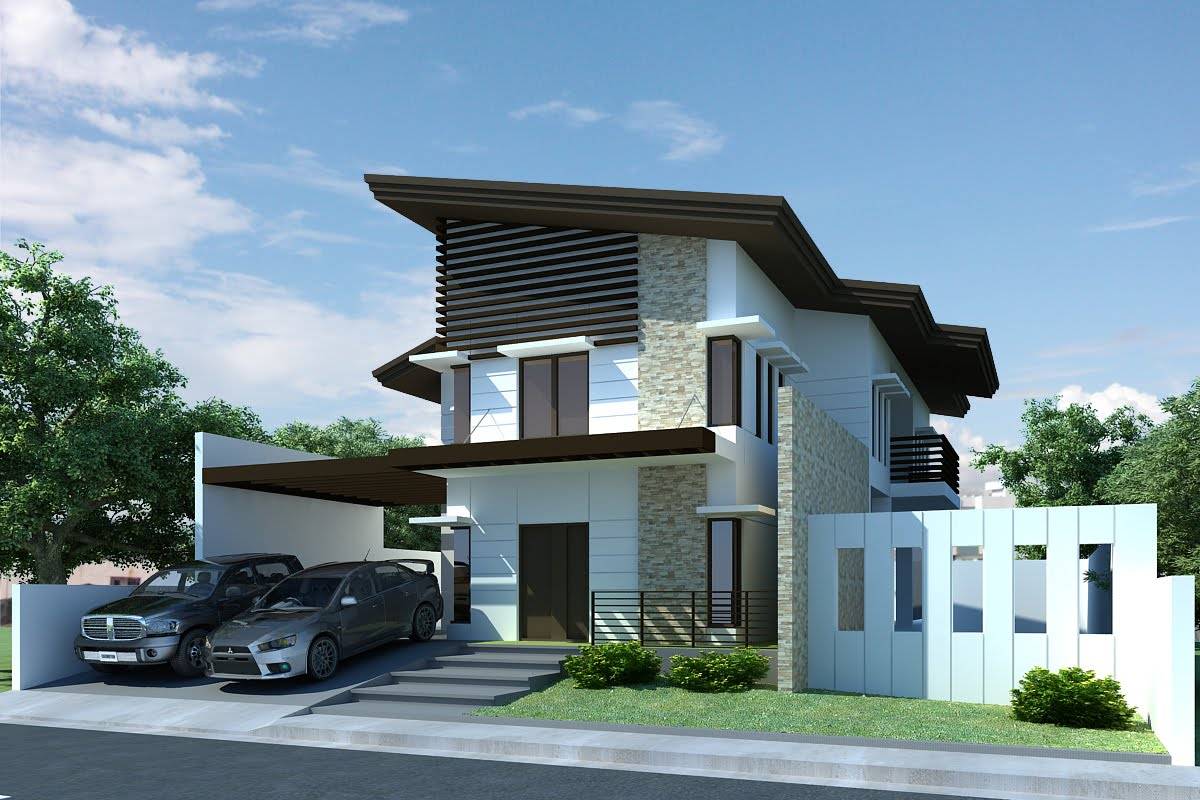
Minimalist house design in the Philippines is about achieving a balance between simplicity, functionality, and aesthetics. It's not about depriving your home of character but about carefully curating and organizing your living space to enhance your quality of life.
When planning your minimalist home, remember that it should reflect your unique needs and preferences. Seek inspiration from various sources, consult with architects and designers, and make choices that resonate with your lifestyle.
Modern minimalist house design in the Philippines while there are many ways could used for create the home you become nice as for instance put a diverse decoration installed as good as possible. Minimalist house design Philippines method to designing a house could not always be cost effective as a result of selection of supplies location and other elements that may affect the general feel and look of the house.
Minimalist house design Philippines
If you are not the type of people love collect more stuff for example decoration in the living room you're but also not too want to design living room flat you are can use wallpaper. By its very nature industrial inspired homes tend to be minimalist and straightforward with neutral palettes of gray and earth tones on raw surfaces says the designer. Minimalist modern home designs utilize only the needed furniture and accessories providing a larger breathing space.
However if you will choose an experienced house designer it is possible to provide you with a minimalist house design. Most minimalist designs employ the use of clean details on almost every element of the house from materials to design details and assembly. Simpler details and decoration.
This stunning home by Argon has a balanced play of raw concrete natural wood metal and glass on its façade. 100 interior design Philippines for small 15 calming photos of modern minimalist homes minimalist Zen style family home brand new unfurnished l house designs this tropical minimalist home by Valencia and go stands out in Iloilo home inspiration a modern minimalist house that s all about. What's people lookup in this blog.
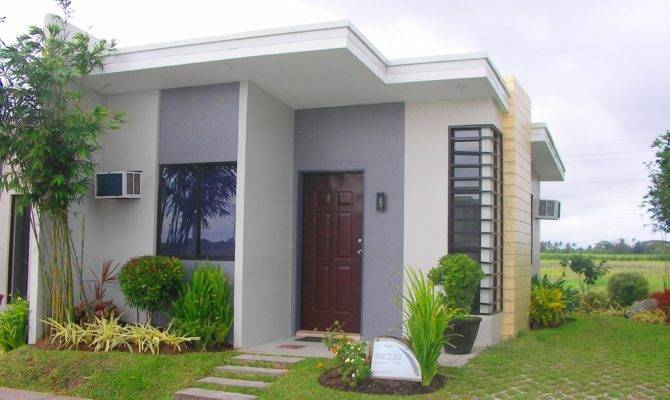 House Plan Minimalist Beautiful Small Design House Plans 163242
Minimalist House Exterior Design Philippines Homedecorations
 Small Minimalist House Design In Philippines Google Search Modern Small House Design Small House Design Minimalist House Design

The Most Popular House Designs In The Philippines

Modern Properties For Sale Design And Construction Philippines Realty Projects
 Concept 24 Modern Minimalist Housedesign Philippines
 Design Collection Minimalist Modern House Plans 49 New Inspiration
View Small Modern Minimalist House Design Philippines Background Caetanoveloso Com
 Top 5 Expensive Looking But Budget Friendly Modern House Designs
Simple House Designs And Plans Philippine House Designs
 Design Minimalist Minimalist House Design Philippines Youtube
 The Most Popular House Designs In The Philippines Lamudi
 Minimalist House Interior Design Philippines Philippines Pinterest Minimalist House Philippines Modern House Plans Small House Design Kerala House Plans
 Elegant Nice Looking Modern Contemporary House Designs Philippines Good Modern Contemporary Philippines House Design Minimalist House Design Zen House Design
Modern House Design For People Who Have A Taste For The Minimalism Style Minimalist House Design Philippines House Design House Gate Design
 Home Exteriors House Exterior Design And Minimalist House Design
Only Furniture Best Minimalist Home Designs View From Outside Terrace Simple Two Story House Designs Philippines 2 Storley Designs Terrace Minimalist Best View From Home Outside Home Furniture


