Modern Minimalist Bathroom Sink: Where Elegance Meets Functionality
Modern Minimalist Bathroom Sink: Where Elegance Meets Functionality
In the realm of interior design, the bathroom often takes a back seat to other more prominent areas of the home. However, it's a space where we begin and end our day, making it worthy of attention. The Modern Minimalist Bathroom Sink is a design choice that brings a touch of sophistication and practicality to this often-overlooked room. In this article, we'll explore the elegance and functionality of modern minimalist bathroom sinks, offering insights into their design, materials, benefits, and how to incorporate them into your bathroom.

The Essence of Minimalism in Bathroom Design
Aesthetic Simplicity
Minimalism is a design philosophy that celebrates simplicity and the elimination of unnecessary elements. When applied to bathroom sinks, this translates into clean lines, uncluttered surfaces, and a focus on the essentials.
Aesthetic simplicity is a design and artistic principle that prioritizes minimalism, elegance, and the removal of unnecessary elements to create a visually pleasing and harmonious composition. It is the art of achieving beauty through the use of simplicity, where less is more, and every element in a design or artwork serves a purpose.
Here's a deeper explanation of aesthetic simplicity:
- Minimalism: At the core of aesthetic simplicity is minimalism, which is the practice of using a minimal number of elements, such as lines, shapes, colors, and textures, to convey a message or create an effect. It's about stripping away any superfluous details and focusing on what is essential.
- Elegance: Aesthetic simplicity often leads to elegance. When a design or artwork is simplified, it can achieve a sense of refinement and sophistication. Elegance arises from the careful selection and arrangement of elements, resulting in a visually pleasing outcome.
- Clarity: Simplicity enhances clarity. Aesthetic simplicity aims to communicate ideas or emotions clearly and directly without overwhelming the viewer. This clarity can make a design more accessible and impactful.
- Balance: Aesthetic simplicity often involves achieving a sense of balance and harmony within a composition. Elements are thoughtfully arranged to create a visually pleasing equilibrium. This balance contributes to the overall aesthetic appeal.
- Functionality: In design, aesthetic simplicity often goes hand in hand with functionality. It prioritizes designs that are not only visually appealing but also practical and efficient in serving their intended purpose. This principle is frequently seen in architecture and product design.
- Reduction of Clutter: Aesthetic simplicity encourages the removal of unnecessary clutter or distractions from a composition. By doing so, it allows viewers to focus on what truly matters and reduces visual noise.
- Timelessness: Simplistic designs tend to have a timeless quality. They can transcend trends and remain relevant and appealing for extended periods. This timelessness adds to their enduring beauty.
- Versatility: Aesthetic simplicity is versatile and can be applied to various forms of art and design, including graphic design, interior design, fashion, and more. Its universal appeal makes it a valuable principle in creative fields.
In summary, aesthetic simplicity is the art of achieving beauty, elegance, and clarity through minimalism and thoughtful design. It is about creating compositions that are visually pleasing, balanced, and efficient in their communication. This principle is celebrated for its ability to create enduring and timeless works of art and design.
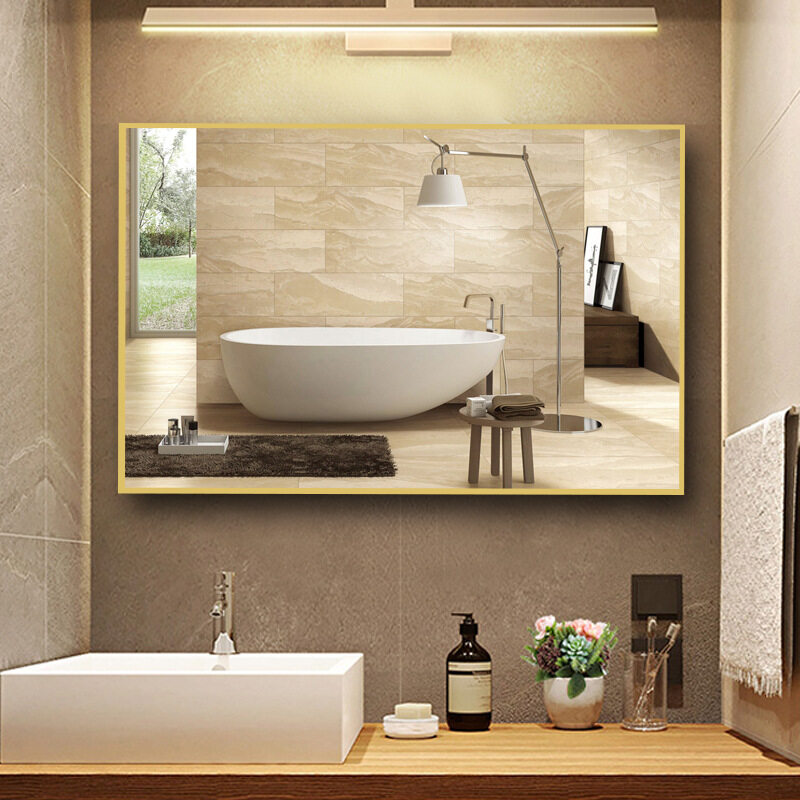
Space Optimization
Modern minimalist bathroom sinks are designed with space in mind. They are compact and efficient, making them perfect for both small and large bathrooms alike.
Space optimization is a strategic approach to efficiently and effectively utilizing available space to its fullest potential while meeting specific functional requirements. Whether in architecture, interior design, urban planning, or even digital spaces, space optimization aims to maximize the utility, aesthetics, and overall functionality of an area. Here's a more detailed explanation of space optimization:
- Efficient Use of Space: Space optimization involves careful planning and design to ensure that every square inch of an area is used efficiently. It seeks to avoid wasted space and make the most of available resources.
- Functionality: The primary goal of space optimization is to meet the intended purpose or function of a space. This may include creating comfortable living spaces in homes, productive work environments in offices, or efficient storage solutions in warehouses.
- Flexibility: A well-optimized space is often designed with flexibility in mind. This means that it can adapt to changing needs and requirements over time without major renovations or disruptions.
- Traffic Flow: In spaces where people move, such as homes or commercial buildings, optimizing traffic flow is essential. This involves arranging furniture, fixtures, and pathways to ensure easy and safe movement.
- Storage Solutions: Space optimization frequently involves the integration of effective storage solutions. This can include built-in cabinets, shelving, closets, and other storage options that minimize clutter and maximize organization.
- Multifunctionality: Many spaces benefit from being multifunctional. For example, a living room might double as a guest bedroom with a sofa bed, optimizing the use of space in smaller homes or apartments.
- Aesthetics: While functionality is paramount, aesthetics play a significant role in space optimization. A well-designed and visually pleasing space enhances the overall experience of its occupants.
- Sustainability: In modern design, sustainability is often a consideration in space optimization. This involves using eco-friendly materials, energy-efficient systems, and other practices that reduce the environmental impact of a space.
- Technological Integration: With the advent of smart technology, space optimization can also involve integrating technological solutions, such as smart lighting, heating, and security systems, to enhance convenience and efficiency.
- Cost Efficiency: Space optimization can result in cost savings by reducing the need for larger spaces or by making better use of existing resources. It can also lead to energy savings through improved insulation and heating/cooling systems.
- User-Centered Design: Successful space optimization takes into account the needs and preferences of the people who will use the space. User-centered design ensures that the space is tailored to meet their specific requirements and preferences.
- Adaptation to Constraints: Space optimization often involves working within constraints, such as limited square footage or building codes. Designers must find creative solutions to make the most of what's available.
In summary, space optimization is a holistic approach to designing and organizing physical or digital spaces with a focus on efficient use, functionality, aesthetics, and adaptability. It's about creating spaces that are not only visually appealing but also highly practical and capable of meeting diverse needs. Whether in residential, commercial, or public spaces, the principles of space optimization are essential for maximizing the value and utility of any area.

Design Features and Variations
Wall-Mounted Elegance
One of the hallmarks of modern minimalist sinks is their wall-mounted design. This not only saves floor space but also creates a floating effect, adding to the sense of spaciousness in the bathroom.
"Wall-Mounted Elegance" is a design concept that combines the practicality of wall-mounted furnishings with an emphasis on creating visually appealing and sophisticated living or working spaces. This concept is particularly popular in interior design, where it can be applied to various elements such as shelves, cabinets, mirrors, artwork, and even lighting fixtures. Here's a more detailed explanation of "Wall-Mounted Elegance":
- Space-Saving Solution: Wall-mounted furnishings and décor are known for their space-saving qualities. By attaching these items to the wall, you free up valuable floor space, making rooms appear more open and less cluttered.
- Elegant Aesthetics: The term "elegance" in "Wall-Mounted Elegance" refers to the graceful and refined appearance of the chosen furnishings. Wall-mounted items often have sleek and minimalist designs, contributing to an overall sense of sophistication in a room.
- Versatility: This concept can be applied to a wide range of elements. For instance, wall-mounted shelves can hold decorative items or serve as practical storage solutions, while wall-mounted mirrors can add both functionality and elegance to a space.
- Customization: Wall-mounted furnishings and décor allow for customization based on the specific needs and preferences of the user. You can choose items that align with the overall design theme and color scheme of a room.
- Visual Impact: "Wall-Mounted Elegance" can have a significant visual impact on a space. Strategically placed wall-mounted elements can serve as focal points, drawing attention and enhancing the overall aesthetics of a room.
- Ease of Maintenance: Wall-mounted items are often easier to clean and maintain compared to their floor-standing counterparts. This contributes to the overall cleanliness and organization of a room.
- Functionality: While aesthetics are a key aspect, wall-mounted furnishings and décor are not just about looks. They also serve practical purposes. For example, wall-mounted shelves can hold books or display decorative items, and wall-mounted cabinets can provide storage space.
- Illusion of Space: By freeing up floor space and creating a sense of openness, wall-mounted elements can make a room appear larger than it is—an essential consideration in smaller living spaces.
- Modern and Contemporary: "Wall-Mounted Elegance" is often associated with modern and contemporary interior design styles. It aligns well with clean lines, minimalism, and a focus on simplicity.
- Enhanced Lighting: Wall-mounted lighting fixtures, such as sconces or wall lamps, can contribute to both functional and ambient lighting. They can also serve as decorative elements when not in use.
- User Experience: The concept of "Wall-Mounted Elegance" prioritizes the user's experience. It aims to create spaces that are not only visually pleasing but also comfortable and practical.
- Integration with Technology: In modern design, wall-mounted elements can be integrated with technology. For instance, wall-mounted TVs and smart home control panels are examples of how technology can be seamlessly incorporated into the concept of "Wall-Mounted Elegance."
In summary, "Wall-Mounted Elegance" is a design concept that focuses on the combination of functionality and aesthetics through the use of wall-mounted furnishings and décor. It offers space-saving solutions, visual appeal, and customization options, making it a popular choice in contemporary interior design.
Sleek Materials
These sinks often feature sleek materials like porcelain, glass, or stone. Their smooth surfaces are not only visually appealing but also easy to clean and maintain.
"Sleek materials" refer to a category of building and design materials that are chosen for their smooth, glossy, and modern appearance. These materials are characterized by their clean lines, minimalist aesthetics, and ability to create a sense of elegance and sophistication in various applications. Here's a more detailed explanation of sleek materials:
- Smooth Surfaces: Sleek materials are known for their exceptionally smooth surfaces. They are often free of texture, grain, or irregularities, resulting in a glossy and polished finish. These surfaces contribute to a contemporary and refined look.
- Minimalist Aesthetics: Sleek materials align well with minimalist design principles. They are favored for their ability to create a minimalist, clutter-free appearance in interior and exterior spaces. Less is more when it comes to sleek materials.
- Reflective Properties: Many sleek materials, such as glass, polished metals, and high-gloss laminates, have reflective properties. They can bounce light around a space, making it appear brighter and more spacious.
- Variety of Options: Sleek materials come in a wide range of options, allowing designers and builders to choose the right material for a specific application. Common sleek materials include glass, stainless steel, acrylic, high-gloss lacquer, and certain types of stone.
- Ease of Maintenance: Many sleek materials are relatively easy to clean and maintain. Their smooth surfaces are less prone to trapping dust or dirt, making them suitable for spaces where cleanliness is a priority.
- Contemporary Appearance: Sleek materials are often associated with contemporary and modern design styles. They can be used to create a clean and up-to-date aesthetic in both residential and commercial settings.
- Durability: While aesthetics are a key consideration, sleek materials are also chosen for their durability. They are designed to withstand daily wear and tear, making them suitable for high-traffic areas.
- Versatility: Sleek materials can be used in a variety of applications, including countertops, flooring, wall coverings, furniture, and fixtures. Their versatility allows them to be integrated into different design schemes.
- Eco-Friendly Options: Some sleek materials are available in eco-friendly or sustainable variants. For example, recycled glass countertops or environmentally friendly laminates provide sleek aesthetics while reducing environmental impact.
- High-Quality Craftsmanship: The installation and finishing of sleek materials often require high-quality craftsmanship. Precise installation and attention to detail are crucial to achieve the desired sleek and polished look.
- Complementary Elements: Sleek materials can be combined with other design elements, such as natural wood or textured fabrics, to create interesting visual contrasts and add warmth to a space.
- Timelessness: While often associated with contemporary design, sleek materials can also have a timeless quality. When used judiciously, they can withstand changing design trends and remain relevant for years.
In summary, sleek materials are chosen for their smooth, modern, and elegant appearance. They are versatile, durable, and have a variety of applications in interior and exterior design. Whether used sparingly as accents or as predominant design elements, sleek materials contribute to a polished and sophisticated aesthetic in architecture and interior design.

Monochrome Palette
Minimalist sinks typically favor a monochrome color palette, with white, black, and neutral tones dominating the scene. This allows for easy integration into various bathroom color schemes.
A monochrome palette, in the context of design, art, and fashion, refers to a color scheme consisting of variations of a single color or hue. It is a visually striking and harmonious approach that relies on the use of shades, tones, and tints of a single color to create a cohesive and aesthetically pleasing composition. Here's a more detailed explanation of a monochrome palette:
- Single Color Dominance: In a monochrome palette, one color is the star of the show. It serves as the dominant hue and sets the overall tone for the design or composition.
- Variations of a Single Color: While the primary color remains consistent, a monochrome palette incorporates various shades, tones, and tints of that color. These variations are created by altering the saturation and brightness of the primary color.
- Shades: Shades are created by adding black to the primary color. They result in darker, deeper tones of the color, often conveying a sense of depth and sophistication.
- Tones: Tones are achieved by mixing the primary color with gray. They offer a softer, muted appearance compared to the original color, providing subtlety and versatility.
- Tints: Tints are produced by adding white to the primary color. They result in lighter, pastel-like versions of the color, conveying a sense of airiness and lightness.
- Harmonious Aesthetics: A monochrome palette is inherently harmonious because it draws from a single color's inherent properties. The variations of the color work together seamlessly, creating a cohesive and balanced visual experience.
- Emphasis on Texture and Form: In monochrome design, the focus often shifts from color to texture and form. Different textures and materials can be used to add depth and interest to the composition.
- Clarity of Design: A monochrome palette simplifies the design, making it clear and uncluttered. It is an effective choice for creating minimalist and clean aesthetics.
- Mood and Atmosphere: Different variations within a monochrome palette can evoke various moods. Darker shades may create a sense of drama and sophistication, while lighter tints can convey serenity and tranquility.
- Timelessness: Monochrome palettes are often considered timeless and can transcend design trends. They have a classic quality that remains relevant in various design disciplines.
- Versatility: A monochrome palette can be applied to a wide range of design applications, including interior design, fashion, graphic design, and photography.
- Accent Colors: In some cases, designers may introduce a single accent color to a monochrome palette. This accent color serves as a focal point and adds visual interest while maintaining the dominance of the primary color.
In summary, a monochrome palette is a design approach that revolves around a single color but incorporates variations of that color to create a visually appealing and harmonious composition. It is a versatile and timeless design choice that can convey different moods and atmospheres while maintaining a sense of clarity and sophistication.
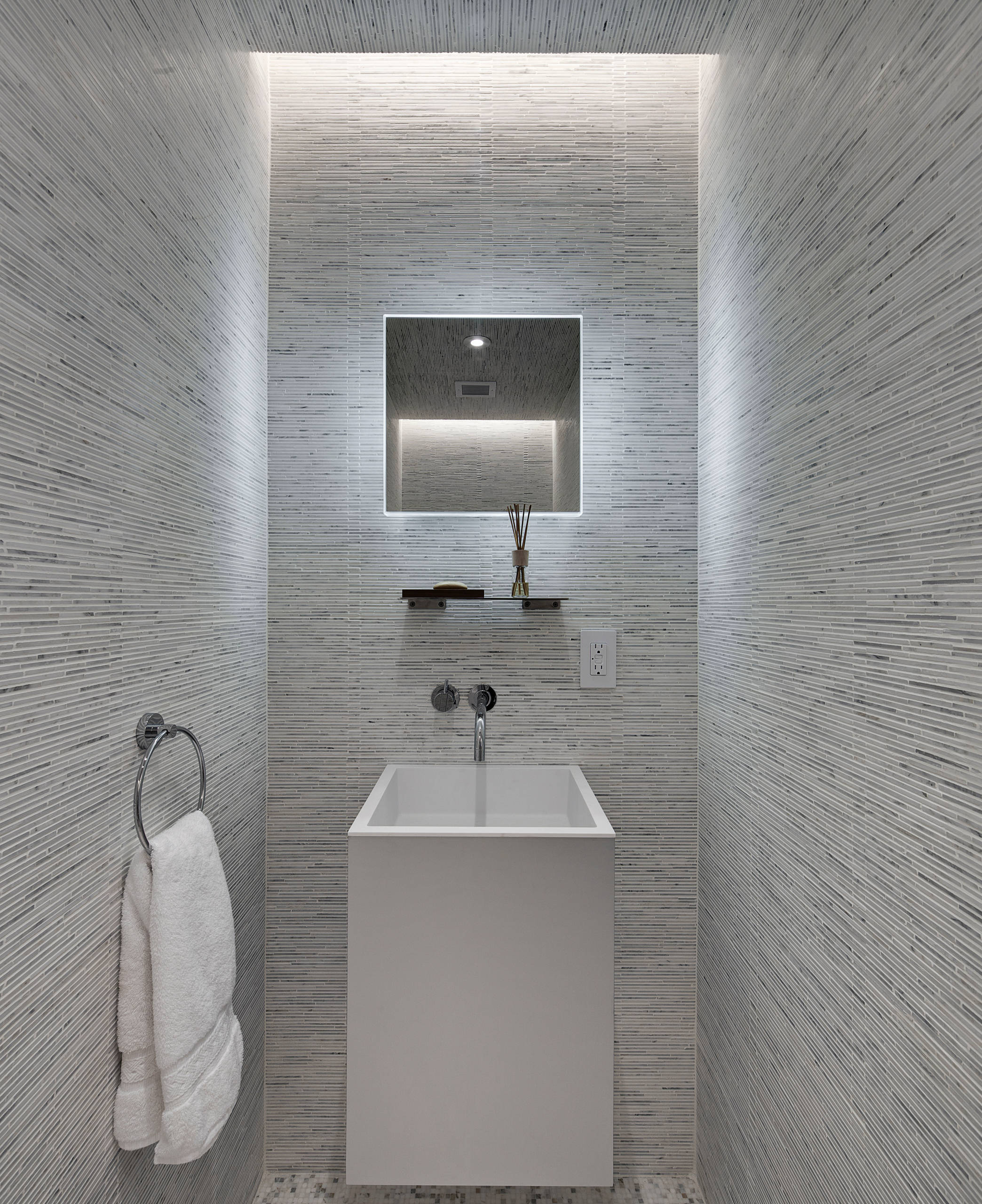
Benefits of Modern Minimalist Bathroom Sinks
Easy Maintenance
The simple design of these sinks makes them a breeze to clean. With fewer crevices and edges, there are fewer places for dirt and grime to accumulate.
"Easy maintenance" is a term used in various contexts, particularly in the design and engineering fields, to describe products, systems, or features that are designed to be simple and convenient to care for, clean, or repair. The concept of easy maintenance aims to reduce the time, effort, and cost associated with keeping something in good condition or ensuring it functions correctly. Here's a more detailed explanation of easy maintenance:
- Simplicity of Design: Products or systems that prioritize easy maintenance typically have straightforward and uncomplicated designs. This simplicity makes it easier for users or technicians to understand how they work and perform necessary maintenance tasks.
- User-Friendly: Easy maintenance is user-friendly. It means that individuals who use or interact with a product or system can easily perform routine maintenance tasks without needing extensive training or specialized knowledge.
- Accessible Components: Products designed for easy maintenance often have components or parts that are readily accessible. This accessibility allows for quick and convenient inspection, cleaning, repair, or replacement of parts.
- Clear Instructions: Manufacturers often provide clear and concise maintenance instructions, whether in product manuals or through visual aids. These instructions guide users on how to perform routine maintenance tasks effectively.
- Modularity: In engineering and industrial contexts, modularity is a design principle that promotes the use of interchangeable components. Modular systems are easier to maintain because specific components can be swapped out or upgraded without requiring extensive dismantling or redesign.
- Durable Materials: Products and systems designed for easy maintenance are typically constructed from durable and long-lasting materials. This choice of materials minimizes the need for frequent repairs or replacements.
- Accessibility to Maintenance Personnel: In industrial and commercial settings, systems may require maintenance by specialized personnel. Easy maintenance systems ensure that these technicians have the necessary access and tools to perform their tasks efficiently.
- Quick Diagnostics: Many modern systems incorporate diagnostic features that help identify issues or maintenance needs quickly. These diagnostics can save time and effort by pinpointing problems accurately.
- Spare Parts Availability: Manufacturers of products designed for easy maintenance often ensure that spare parts are readily available. This availability ensures that maintenance and repairs can be performed promptly.
- Preventative Maintenance: Some easy maintenance practices include preventative measures, such as regular cleaning, lubrication, or inspection, to prevent issues from arising in the first place.
- Cost-Efficiency: Easy maintenance practices aim to reduce long-term costs associated with repairs and downtime. By making maintenance straightforward and efficient, businesses can save money over time.
- Safety: Easy maintenance often goes hand in hand with safety considerations. Systems and products should be designed with safety in mind to protect those performing maintenance tasks.
In summary, easy maintenance refers to the design and engineering practices that prioritize simplicity, accessibility, and user-friendliness in products, systems, or features. It aims to make routine maintenance tasks straightforward and cost-effective, ensuring that products and systems remain in good working condition with minimal effort and resources. Easy maintenance is particularly important in various industries, including manufacturing, transportation, construction, and consumer goods, where reliability and cost efficiency are paramount.
Enhanced Visual Appeal
Modern minimalist sinks exude an air of elegance and sophistication. They can be a focal point of your bathroom's design, elevating its overall aesthetic.
Enhanced visual appeal refers to the practice of improving the attractiveness and aesthetic qualities of an object, space, design, or artwork to captivate and engage the viewer's or user's senses. It involves the use of various design elements, principles, and techniques to create a more visually pleasing and memorable experience. Here's a more detailed explanation of enhanced visual appeal:
- Aesthetic Harmony: Enhanced visual appeal often relies on achieving a sense of harmony and balance in design. This includes the careful selection and arrangement of colors, shapes, textures, and elements to create a cohesive and pleasing composition.
- Color Psychology: Color plays a significant role in enhancing visual appeal. Designers consider the psychological impact of colors to evoke specific emotions or moods. For example, warm colors like red and orange can convey energy and passion, while cool colors like blue and green can evoke calmness and tranquility.
- Contrast: Contrast is used to create visual interest and highlight key elements within a design. The juxtaposition of light and dark, large and small, or complementary colors can draw the viewer's eye and add excitement to a composition.
- Texture: The use of different textures, such as smooth, rough, glossy, or matte surfaces, adds tactile and visual depth to a design. Texture can create visual interest and invite touch or exploration.
- Proportion and Scale: Proper proportion and scale ensure that elements within a design are appropriately sized and balanced. This consideration helps maintain visual harmony and prevents elements from appearing out of place or overwhelming.
- Typography: Typography plays a crucial role in enhancing visual appeal in printed materials and digital designs. The choice of fonts, their size, spacing, and arrangement can greatly impact the readability and aesthetics of text-based designs.
- Negative Space: Effective use of negative space (the empty or unused space in a design) can emphasize the focal point and create a sense of clarity and elegance. Negative space is as important as the elements themselves.
- Symmetry and Asymmetry: Designers may choose symmetrical or asymmetrical arrangements based on the desired visual impact. Symmetry often conveys a sense of stability and formality, while asymmetry can be dynamic and contemporary.
- Visual Hierarchy: Visual hierarchy guides the viewer's eye through a design by emphasizing certain elements over others. This ensures that important information or focal points are noticed first.
- Transparency and Layers: The use of transparency and layering can add depth and complexity to a design. This technique is often seen in digital graphics and web design to create visually rich and interactive experiences.
- Consistency and Branding: In branding and marketing, consistency in design elements, such as logos, color schemes, and visual styles, enhances recognition and reinforces a brand's identity, contributing to enhanced visual appeal.
- Cultural and Contextual Considerations: Visual appeal can be culture-specific, and designers often consider the cultural context and preferences of the target audience when creating designs to ensure they resonate effectively.
In summary, enhanced visual appeal is about using design principles, aesthetics, and thoughtful choices to create visually appealing and captivating compositions. Whether in art, graphic design, architecture, interior design, or product design, the goal is to engage the viewer's senses and leave a lasting impression that goes beyond functionality to evoke emotions and appreciation for the visual experience.
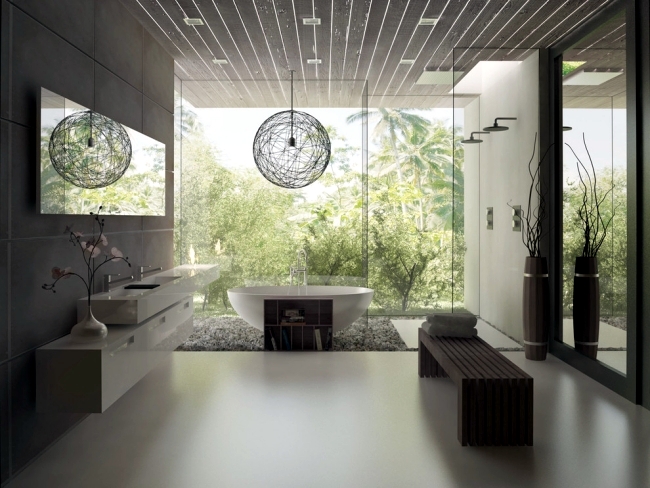
Space Maximization
For smaller bathrooms, these sinks are a game-changer. They free up valuable floor space and create an open and uncluttered feel.
Space maximization is a design and organizational concept focused on optimizing the use of available space to its fullest potential. It involves strategic planning and layout to ensure that every square foot of a space serves a functional purpose, enhances efficiency, and provides the best possible user experience. Here's a more detailed explanation of space maximization:
- Efficient Layout: Space maximization begins with the efficient arrangement of furniture, fixtures, and other elements within a given area. It aims to minimize wasted or unused space while maintaining a sense of flow and accessibility.
- Multi-Functional Spaces: One key aspect of space maximization is creating multi-functional spaces. A room or area should serve multiple purposes whenever possible. For example, a home office can double as a guest bedroom with a pull-out sofa bed, maximizing the utility of the space.
- Storage Solutions: Effective storage is critical for space maximization. This includes utilizing built-in cabinets, shelving, under-bed storage, and other innovative storage solutions to keep belongings organized and out of sight.
- Vertical Space: To make the most of vertical space, wall-mounted shelves, hanging storage, and tall storage units are often employed. These solutions maximize storage capacity without encroaching on floor space.
- Furniture Selection: Choosing appropriately sized furniture is essential for space maximization. Compact and versatile furniture pieces are favored to ensure that they fit well within the space and do not overwhelm it.
- Open Floor Plans: In architectural design, open floor plans are a popular approach to space maximization. They remove unnecessary walls and barriers, allowing for larger, more versatile spaces that can adapt to various uses.
- Modular and Flexible Furniture: Modular furniture, which can be reconfigured or expanded as needed, is a space-maximizing solution. This flexibility ensures that furniture adapts to changing needs and room layouts.
- Optimizing Small Spaces: Space maximization is particularly crucial in small living spaces, such as apartments or tiny houses. Designers focus on making every inch count by employing space-saving techniques and compact furniture.
- Clear Pathways and Traffic Flow: A well-maximized space maintains clear pathways and smooth traffic flow. This ensures that occupants can move around comfortably without obstacles or congestion.
- Multi-Level Storage: Utilizing vertical and multi-level storage solutions, such as mezzanines or lofted areas, can significantly increase usable space, especially in rooms with high ceilings.
- Customized Solutions: Tailoring the design to the specific needs of the space's occupants is essential for effective space maximization. Customized solutions take into account individual preferences and requirements.
- Technology Integration: In modern design, technology integration can help maximize space. For example, wall-mounted TVs, home automation systems, and built-in speakers can save space and reduce clutter.
- Sustainability: Sustainable design principles can also be incorporated into space maximization, ensuring that efficient use of resources and energy-saving measures are part of the design process.
Space maximization is a versatile and adaptable concept that applies to various contexts, from residential interiors and office spaces to commercial establishments and urban planning. It aims to make the most of available space, improving functionality, aesthetics, and overall user satisfaction.
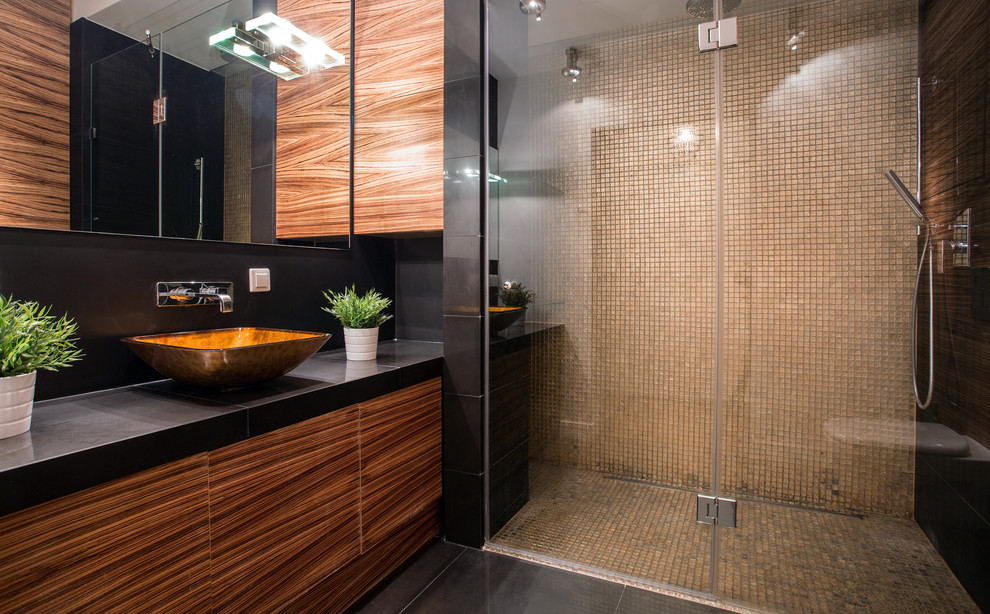
Incorporating a Modern Minimalist Sink into Your Bathroom
Choose the Right Location
Select a wall where you want to mount the sink. Ensure it's within easy reach of plumbing connections.
"Choosing the right location" in the context of a modern minimalist sink refers to the careful consideration of where to install or place the sink within a space, particularly in contemporary and minimalist interior design. This decision is essential to ensure that the sink not only serves its practical function but also complements the overall design aesthetics and maintains the minimalist and clean appearance of the space. Here's a more detailed explanation of choosing the right location for a modern minimalist sink:
- Functionality and Workflow: The primary function of a sink is to facilitate tasks such as washing hands, dishes, or food preparation. When choosing the location, consider the flow of activities in the space. It should be easily accessible and convenient for users to perform these tasks efficiently.
- Proximity to Other Fixtures: In kitchen design, the sink's location often relates to its proximity to other fixtures like the stove and refrigerator. Placing the sink near these elements can optimize the workflow, making it easier to prepare, cook, and clean up.
- Spatial Balance: In minimalist design, achieving a sense of balance and harmony is crucial. The sink's placement should maintain a sense of equilibrium within the space. It should not overpower or disrupt the overall aesthetic balance of the room.
- Visual Continuity: A key principle in minimalist design is visual continuity and simplicity. The sink's location should contribute to a clutter-free and visually unobtrusive environment. It should not draw excessive attention or disrupt the clean lines of the design.
- Material and Finish Integration: Modern minimalist sinks often feature sleek materials like stainless steel, ceramic, or stone. The sink's location should allow for seamless integration of these materials with the surrounding surfaces, such as countertops and cabinetry.
- Lighting Considerations: Adequate lighting is essential around the sink area for both functionality and aesthetics. The location should provide opportunities for task lighting, such as under-cabinet or pendant lighting, to enhance the sink area's visibility and ambiance.
- User Accessibility: Consider the needs of the users when choosing the sink's location. It should be at a comfortable height for tasks like washing dishes or hands. Additionally, accessibility features may be important for certain users, such as those with mobility challenges.
- Space Efficiency: In smaller spaces, optimizing space efficiency is crucial. A well-placed sink can make the most of available space without overcrowding the area. Wall-mounted or under-counter sinks are popular choices for compact settings.
- View and Natural Light: If possible, consider the view from the sink location and the availability of natural light. Placing the sink near a window or with a pleasing view can enhance the user's experience and contribute to the overall ambiance.
- Plumbing Considerations: The sink's location should also take into account plumbing considerations, including access to water supply and drainage lines. These practical aspects ensure that the sink functions correctly.
- Architectural Features: The architectural features of the room, such as structural elements, doorways, and windows, may influence the sink's placement. Ensure that the location aligns with the room's architectural layout.
- User Preferences: Ultimately, the right location for a modern minimalist sink should align with the user's preferences and lifestyle. Gather input from the occupants to determine their needs and desires regarding sink placement.
In summary, choosing the right location for a modern minimalist sink is a thoughtful process that balances functionality, aesthetics, and user needs. It should contribute to the overall design harmony, maintain a clean and uncluttered appearance, and enhance the efficiency and usability of the space.
Plumbing Considerations
Wall-mounted sinks require specific plumbing arrangements. Consult a professional plumber to ensure proper installation.
Plumbing considerations refer to the thoughtful planning and evaluation of plumbing systems and components within a building or structure. These considerations are essential for ensuring that plumbing systems function efficiently, safely, and reliably. Plumbing systems encompass water supply, drainage, and waste removal systems. Here's a more detailed explanation of plumbing considerations:
Water Supply: Plumbing systems must provide a reliable and safe water supply for various purposes, including drinking, cooking, bathing, and cleaning. Plumbing considerations related to the water supply include:
- Water Source: Determining the source of water, whether from a municipal water supply, well, or other sources.
- Water Quality: Ensuring that the water supply is safe for consumption by conducting water quality tests.
- Water Pressure: Maintaining appropriate water pressure throughout the building to ensure efficient water flow.
Pipe Materials: Selecting suitable materials for water supply pipes, such as copper, PEX, PVC, or galvanized steel, based on factors like water quality and local regulations.
Backflow Prevention: Installing backflow prevention devices to prevent contaminated water from flowing back into the main water supply.
Drainage Systems: Plumbing systems also manage the removal of wastewater and sewage from a building. Plumbing considerations related to drainage systems include:
- Drainpipe Materials: Choosing appropriate materials for drainpipes, such as cast iron, PVC, or ABS, based on the type of waste being transported.
- Slope and Ventilation: Ensuring that drainpipes are properly sloped to facilitate the flow of wastewater and providing adequate ventilation to prevent the buildup of sewer gases.
- Traps and P-Traps: Installing traps and P-traps to prevent sewer gases from entering living spaces and to maintain a water seal within the drainpipe.
- Septic Systems: In areas without municipal sewage systems, considerations for septic tanks and leach fields are essential for waste disposal.
- Fixture Placement: Plumbing considerations include determining the placement of plumbing fixtures, such as sinks, toilets, showers, and faucets, to optimize functionality and accessibility within the building.
Local Codes and Regulations: Compliance with local building codes and plumbing regulations is crucial. Plumbing systems must adhere to these codes to ensure safety and environmental responsibility.
Pipe Insulation: In colder climates, insulating water supply pipes can prevent freezing and bursting during winter months.
Hot Water Systems: Planning for hot water supply systems, such as water heaters or tankless heaters, to provide hot water when needed for various purposes.
Accessibility: Ensuring that plumbing fixtures and systems are accessible to all users, including those with mobility challenges, by adhering to accessibility standards and guidelines.
Maintenance and Repair: Designing plumbing systems to be easily accessible for maintenance and repair work, which may involve incorporating shutoff valves and access panels.
Water Conservation: Implementing water-saving fixtures and technologies, such as low-flow toilets and faucets, to promote water conservation and reduce utility costs.
Water Filtration and Treatment: Installing water filtration or treatment systems, if necessary, to improve water quality and remove impurities.
Storm water Management: In addition to wastewater, managing stormwater runoff through proper drainage and retention systems is important for preventing flooding and erosion.
Plumbing considerations are critical at the design and construction stages of a building or renovation project. Attention to these considerations ensures that plumbing systems operate effectively, efficiently, and safely, contributing to the overall functionality and comfort of the building.
Mirror and Lighting
Pair your modern sink with a large mirror and well-placed lighting to create a visually striking ensemble.
Mirror and lighting are essential elements in interior design that work together to create visually appealing and functional spaces. They complement each other in various ways to enhance the aesthetics and functionality of a room. Here's a more detailed explanation of the relationship between mirrors and lighting in interior design:
1. Enhancing Natural Light:
Mirrors strategically placed near windows or sources of natural light can reflect and amplify the incoming daylight, making the room appear brighter and more spacious. This technique is especially effective in rooms with limited natural light.
2. Creating Illusions of Space:
Mirrors have the ability to visually expand a room. When placed on walls opposite each other, they create the illusion of depth and make a space feel larger than it actually is. This is particularly useful in small rooms or narrow hallways.
3. Focal Points and Reflections:
Mirrors can be used to highlight specific architectural features, artworks, or decorative elements in a room. They act as focal points by drawing attention to what is reflected in them.
4. Balance and Symmetry:
Mirrors can help achieve balance and symmetry in a room's design. When placed on both sides of a room, they create a sense of equilibrium and harmonize the overall look.
5. Task Lighting:
Mirrors are often used in grooming areas, such as bathrooms and dressing rooms, where task lighting is essential. Properly positioned mirrors with well-placed lighting ensure even illumination for activities like shaving, makeup application, and dressing.
6. Vanity and Bathroom Lighting:
In bathrooms, mirrors with integrated lighting fixtures are commonly used to provide even and shadow-free illumination for personal grooming tasks. These mirrors often feature built-in LED lights around the edges or behind the mirror surface.
7. Decorative Lighting Reflections:
Mirrors can reflect decorative lighting fixtures, such as chandeliers or pendant lights, creating a stunning visual effect and spreading the light throughout the room.
8. Ambient Lighting Enhancement:
Mirrors can scatter ambient light from various sources, softening the illumination in the room and reducing harsh shadows. This contributes to a cozy and inviting atmosphere.
9. Statement Mirrors:
Large, decorative mirrors can serve as statement pieces in a room. They not only add style and personality but also reflect the room's existing decor and lighting elements, creating a captivating visual display.
10. Framing and Aesthetics:
The framing of a mirror can be chosen to complement the overall design style of the room. The frame itself can act as a decorative element, enhancing the room's aesthetics and tying together various design elements.
11. Mood and Atmosphere:
Mirrors can affect the mood and atmosphere of a room. Depending on their size, shape, and placement, they can create a sense of openness and airiness or add a touch of elegance and sophistication.
In summary, mirrors and lighting are integral components of interior design that work in tandem to optimize the aesthetics, functionality, and ambiance of a space. Properly positioned mirrors can enhance natural light, create illusions of space, and serve as decorative elements. Meanwhile, lighting fixtures can be strategically placed to ensure that mirrors reflect light effectively, provide task lighting where needed, and contribute to the overall atmosphere of the room. Together, they play a crucial role in transforming a space into a visually appealing and well-lit environment.
Frequently Asked Questions
Are modern minimalist sinks suitable for small bathrooms?
Yes, these sinks are ideal for small bathrooms, as they maximize space and create a sense of openness.
What is the average cost of a modern minimalist bathroom sink?
Prices vary based on materials and brands, but you can find quality options ranging from $200 to $1,000 or more.
Can I install a modern sink myself?
While it's possible for experienced DIYers, professional installation is recommended for the best results.
Are these sinks durable?
Most modern minimalist sinks are made from durable materials, ensuring they withstand daily use.
Can I add storage to a wall-mounted sink?
Yes, you can incorporate storage solutions like shelves or cabinets beneath the sink to maintain the minimalist look.
Are modern sinks easy to clean?
Yes, their sleek and uncluttered design makes them easy to clean with just a wipe.
Conclusion
The Modern Minimalist Bathroom Sink embodies the perfect blend of elegance and functionality. Its minimalist design principles bring a sense of order and tranquility to your bathroom while optimizing space usage. Whether you have a small guest bathroom or a spacious master bath, a modern minimalist sink can be the key to elevating the overall aesthetic and practicality of the space. So, why settle for a mundane bathroom sink when you can make a design statement that enhances your daily routine? Embrace the modern minimalist trend and transform your bathroom into a sleek and stylish sanctuary.
Bathroom With Sink And Copy Space Black Tiled Wall Modern Minimalist Bathroom Interior Design With Simple Mirror And White Can stock
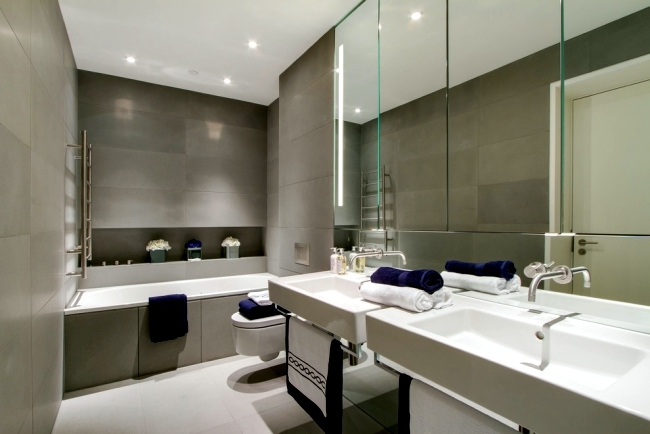
Modern minimalist bathroom sink
His background includes educational years in Copenhagen Denmark. Made from composite resin you can redesign this bathroom sink into freestanding style or mounted onto a pedestal.
Third aesthetic ceiling with exposed concrete texture contrast with white walls and natural tone wood. Now valise lives and works in Milan and maybe his current city has provoked him to create. A touch of minimalist and modern design in bathroom sink from wet style.
Today we would like to present to you one very attractive bathroom sink. Minimalist bathroom sink from Moab 80. It is available in an exquisite glossy white finish that adds to its style quotient.
The sink is made from ceramic which makes it durable and sturdy. Modern minimalist half bath decorating ideas with small shelves in grey color wall painting bathrooms toilet room bathroom remodel 8 minimalist bathroom sink design ideas for your decoration home apartment bathroom ideas to take your decor and storage up a notch curbed 10 Scandinavian style bathrooms to inspire your remodel 40 beautiful minimalist bathroom ideas and designs Reno guide.
The minimalist aesthetic is very pleasing and calming on the. Along with the advent of trends minimalist home design simple modern minimalist bathroom design could have other functions such as beautify your home interior. The designer that produced this beautiful modern minimalist masterpiece is the Bulgarian designer Victor Vasilev.
That is you have to arrange the furniture as minimalist as possible in the. The concept of minimalist bathroom not much different from the concept of minimalist home design itself. This bathroom sink can blend very well in your bathroom decor because of its simplicity yet modern style.
Creative tiling is already all the rage when it comes to minimalist bathrooms but honeycomb tiles combine creative and geometric tiling for a show stopping minimalist design. It has a modern style that adds to the look of the bathroom decor. Unplugged and exposed sinks are popular components of modern minimalist bathroom design because of their streamlined and simple appearance.
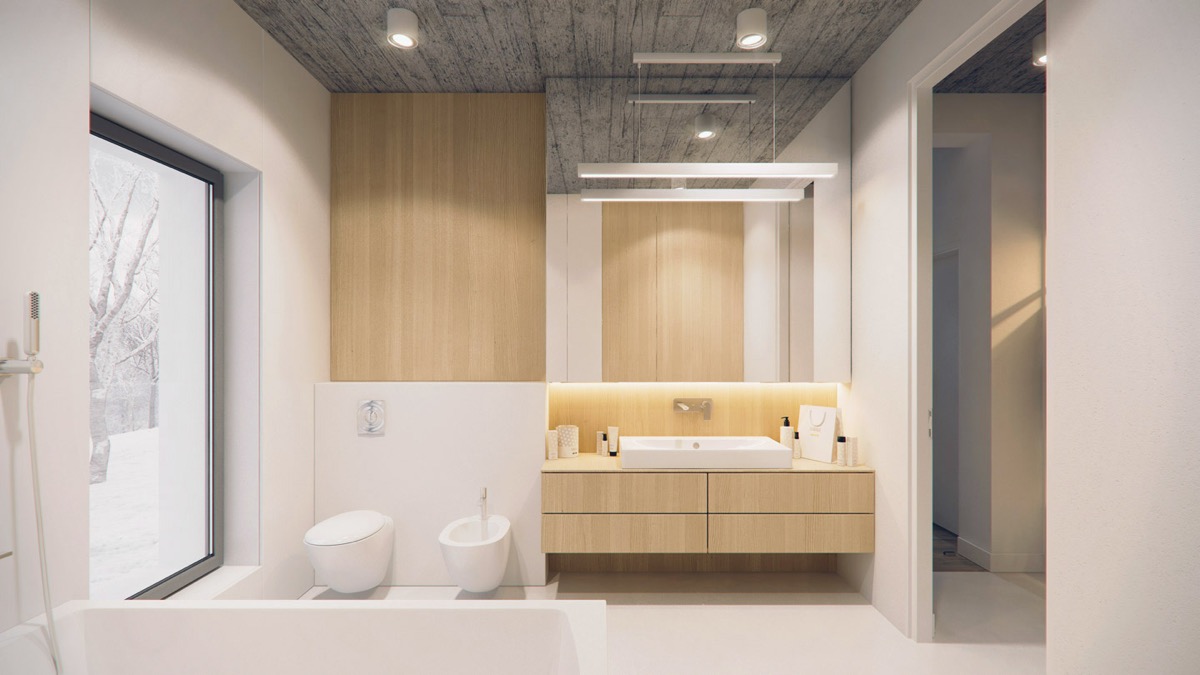
A minimalist white bathroom with a floating vanity a tub by a glazed wall and black fixtures for an edgy and modern touch. Modern minimalist bathroom sink and toilet with square lines and large mirror behind toilets.
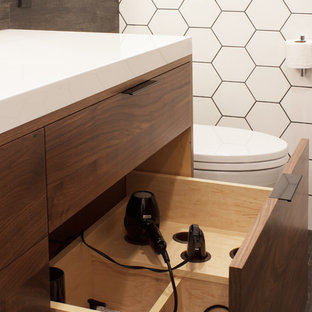 75 Beautiful Small Modern Bathroom Pictures Ideas
Safe Explosion Proof Bathroom Mirror
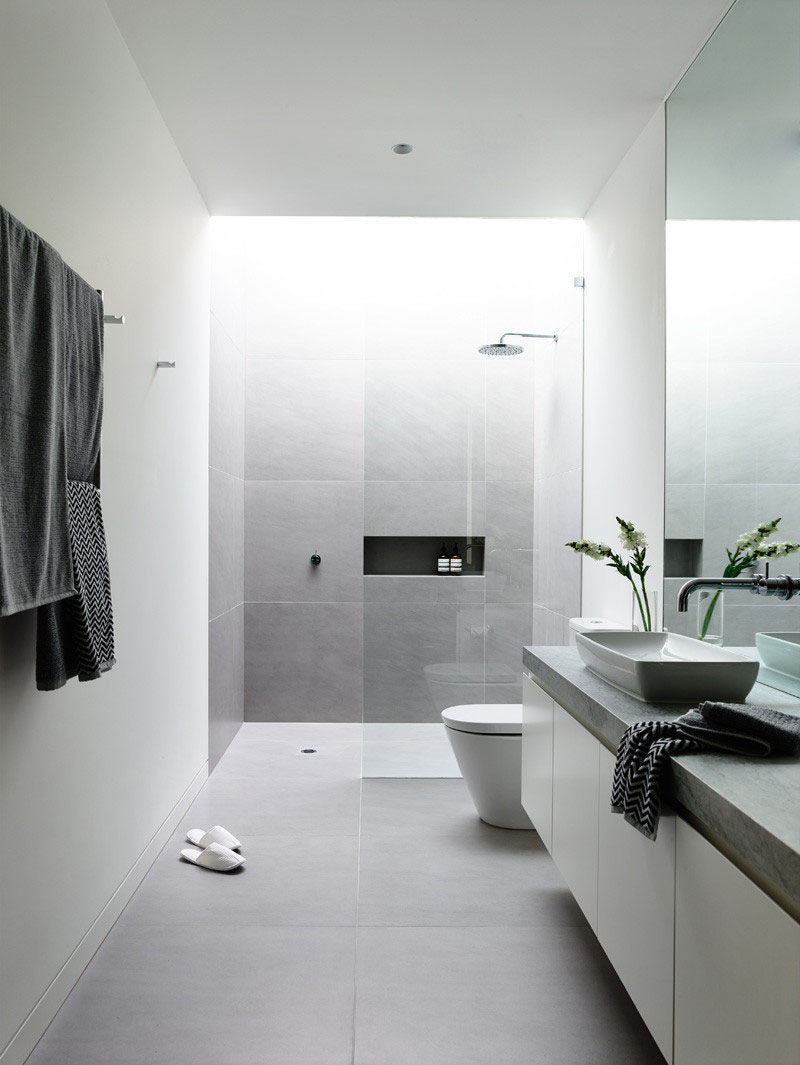 Ideas For Creating A Minimalist Bathroom
Minimalist Bathroom Houzz
 Minimalist Bathroom Design Minimalist Bathroom Modern Interior Design
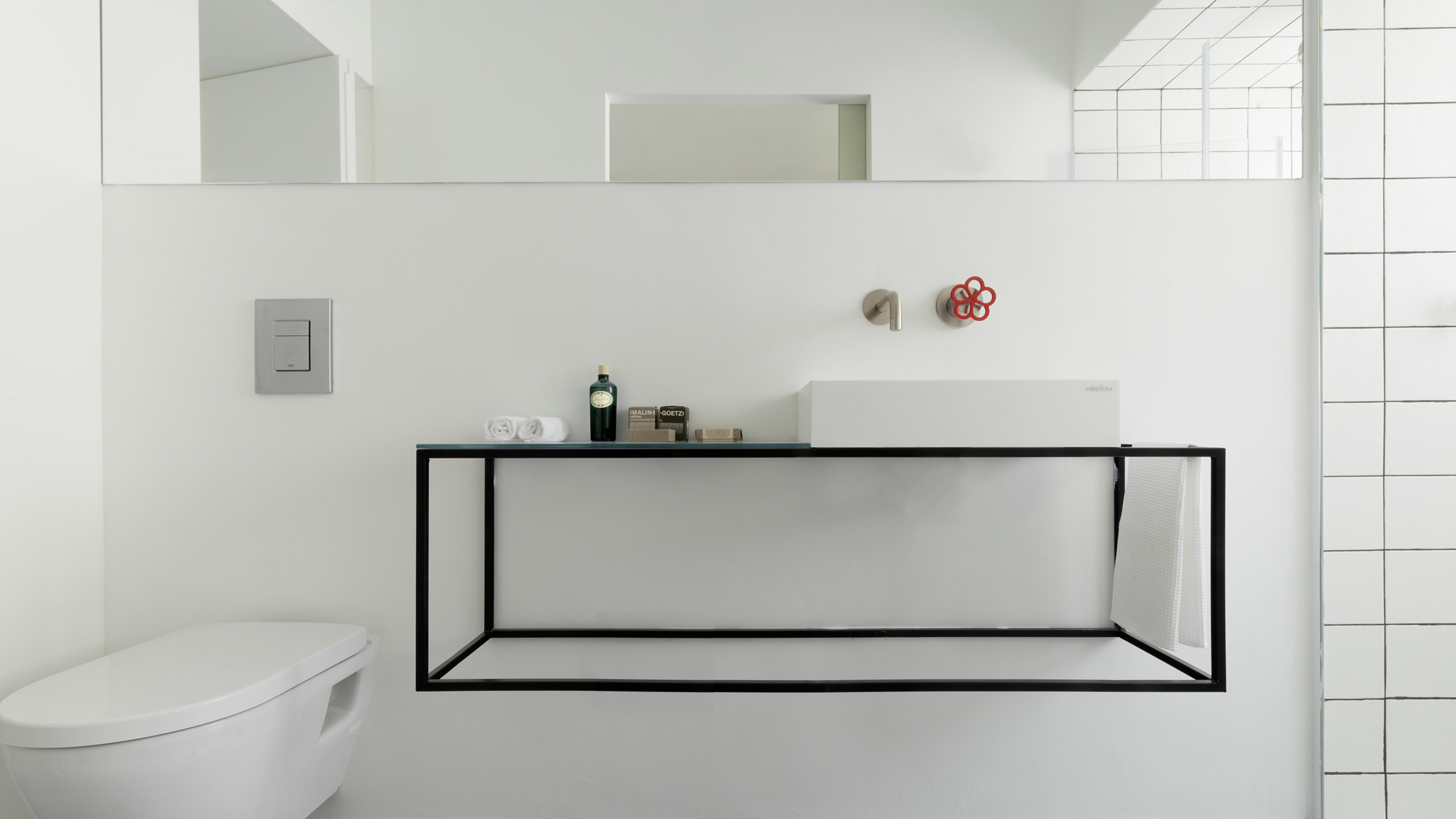 Minimalist Bathrooms That Have Barely Anything In Them
Modern Minimalist Bathroom Culver City Modern Bathroom Los Angeles By Gavin Green Home Design

 Modern Minimalist Simple Bathroom Design Homyracks
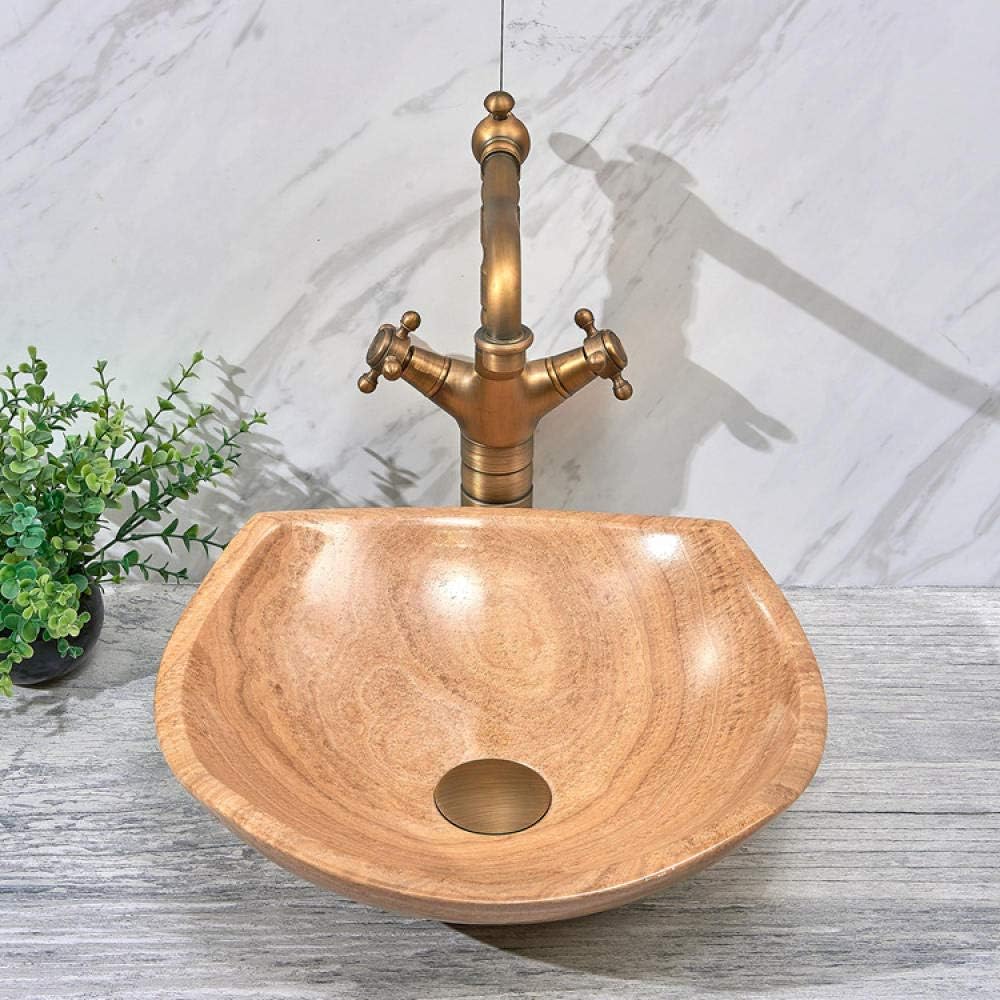 Marble Wash Basin Modern Minimalist Bathroom Stone Washbasin Washbasin Amazon Co Uk Diy Tools
Modern Minimalist Bathroom Bath Free Photo On Pixabay
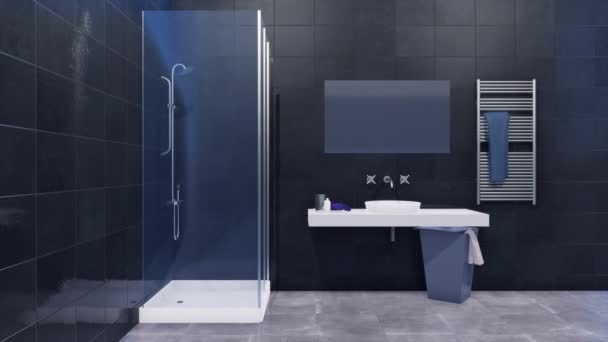 Modern Minimalist Bathroom Interior Simple Glass Walk Shower Mirror White Video By C Marsea Stock Footage 202979370
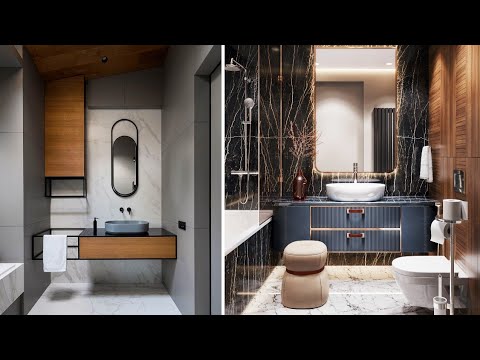 Modern Minimalist Bathroom Design Ideas That Are Simple And Stylish Interior Decor Designs Youtube
 Jingdezhen Ceramic Above Counter Basin Art Basin Round European Modern Minimalist Bathroom Sink Washbasin Color Lo620419 Bathroom Sinks Aliexpress
Minimalist Bathroom Design 33 Ideas For Stylish Bathroom Design Interior Design Ideas Ofdesign
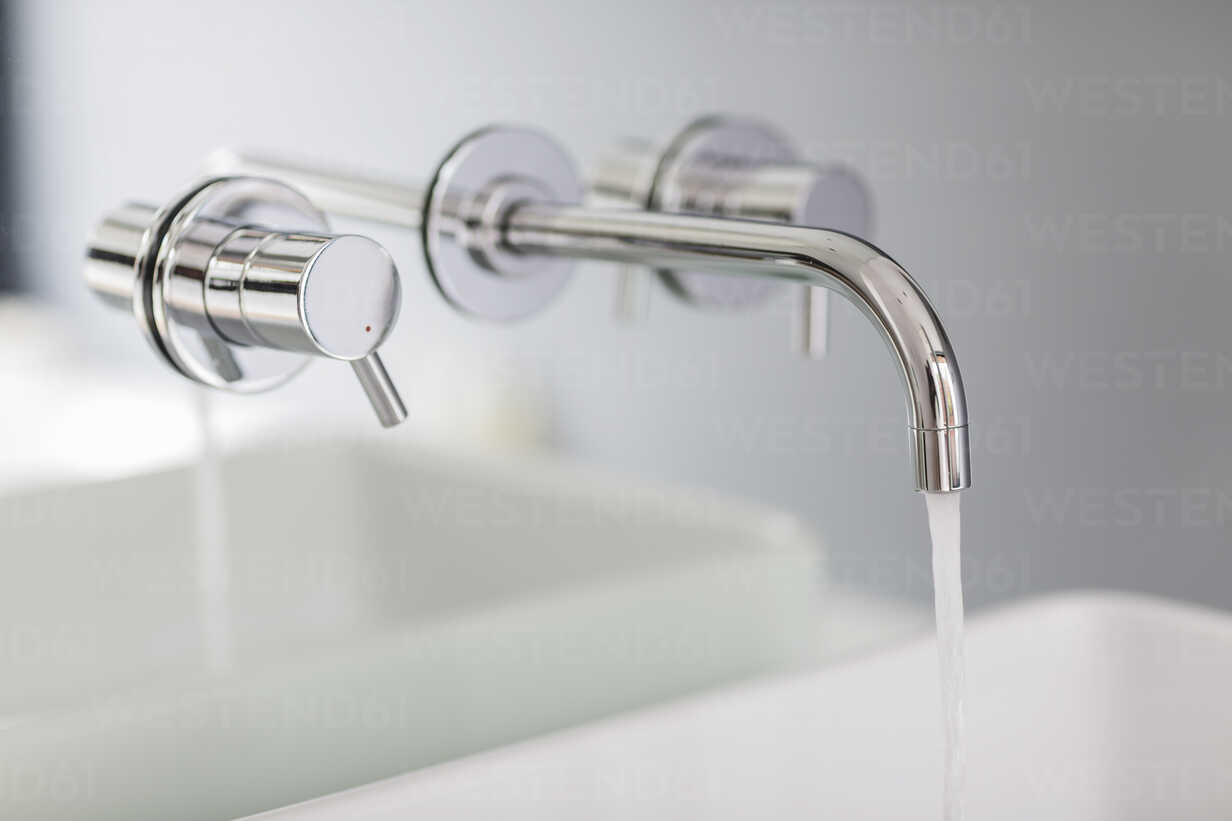 Close Up Modern Minimalist Bath Faucet With Running Water Hoxf02327 Martin Barraud Westend61
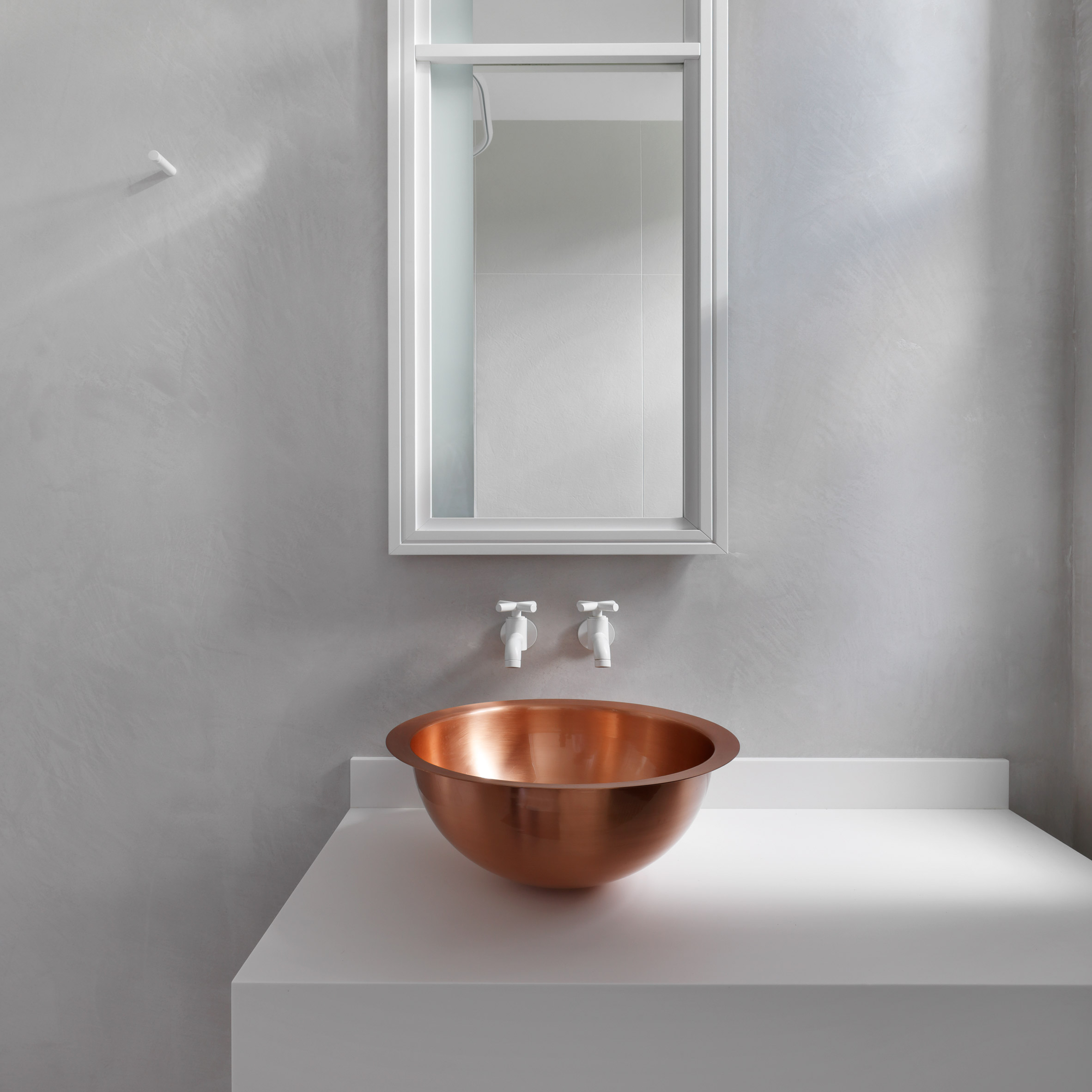 10 Minimalist Bathrooms That Have Barely Anything In Them
Modern Minimalist Bathroom Interior With Simple Glass Walk In Stock Photo Picture And Royalty Free Image Image 114334653
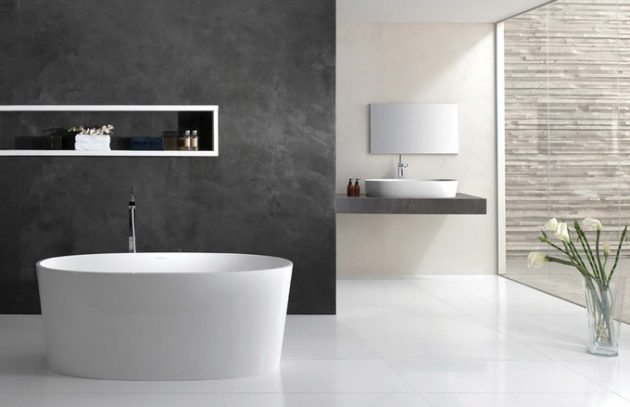 17 Captivating Minimalist Bathroom Designs For Every Taste
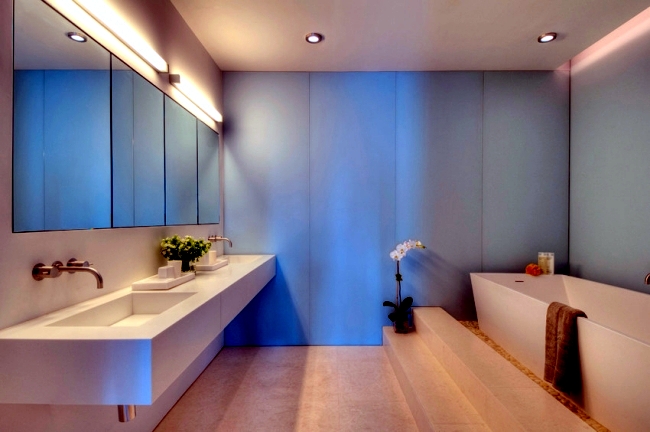 Minimalist Bathroom Design 33 Ideas For Stylish Bathroom Design Interior Design Ideas Ofdesign
Modern Minimalist Bathroom With Dark Marble Floor And Tiles White Bathtub And Double Sink Contemporary Architecture Interior Stock Illustration Illustration Of Peaceful Simple 149191825
Modern Minimalist Bathroom High Res Stock Photo Getty Images
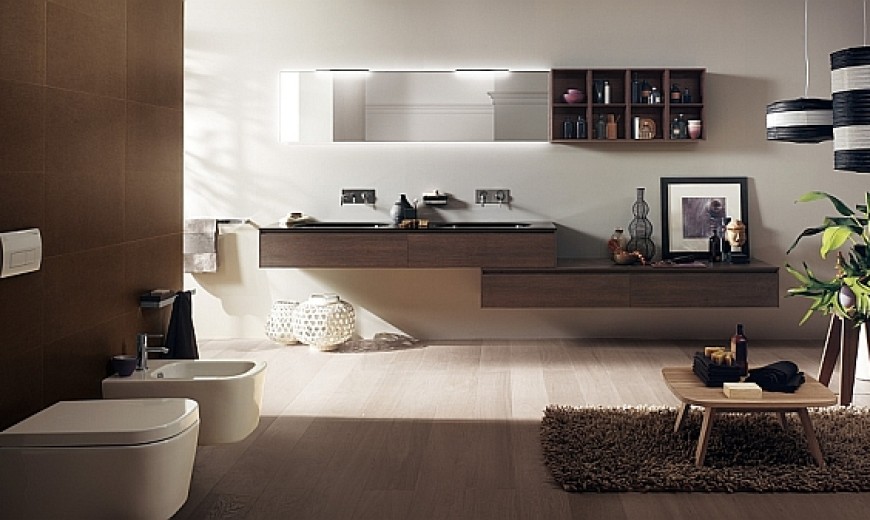 Exclusive Minimalist Bathroom With Sleek Design And Striking Aesthetics
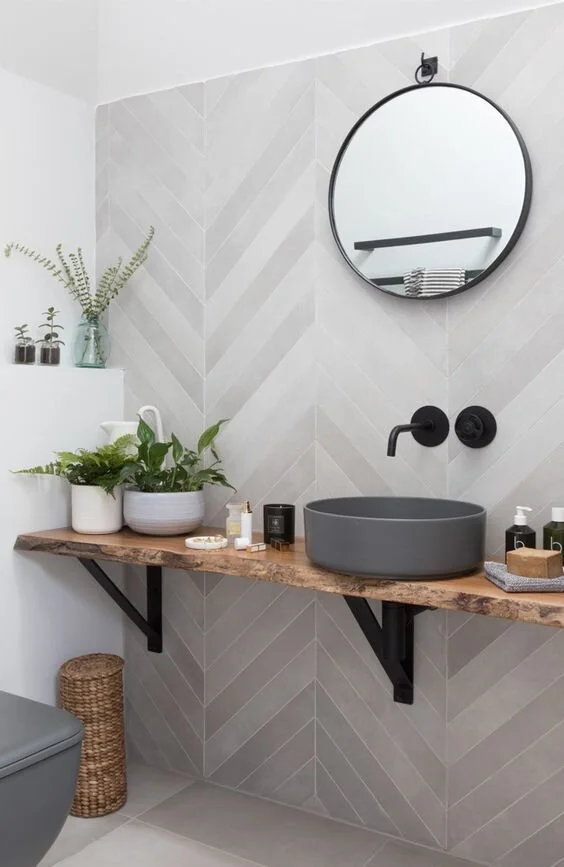
Modern Minimalist Bathroom Design with Solid Wood Vanity: A Blend of Elegance and Nature
In the world of interior design, the modern minimalist bathroom stands as a testament to the power of simplicity and functionality. When combined with the timeless beauty of a solid wood vanity, this design concept reaches new heights. In this article, we will explore the art of crafting a modern minimalist bathroom around a solid wood vanity, delving into design principles, material choices, benefits, and tips for incorporating this aesthetic into your home.
The Essence of Modern Minimalism in Bathroom Design
Embracing Simplicity
At the heart of modern minimalist design is the celebration of simplicity. This philosophy encourages the elimination of unnecessary clutter, leaving only the essentials. When applied to bathrooms, it results in clean lines, uncluttered surfaces, and a sense of serenity.
Maximizing Functionality
Modern minimalist bathrooms prioritize functionality. Every element serves a purpose, enhancing the efficiency of the space. A solid wood vanity, with its blend of form and function, aligns perfectly with this philosophy.
The Beauty of Solid Wood Vanity
Natural Elegance
Solid wood vanities bring a touch of nature into your bathroom. The natural grain patterns and warm hues of wood create a visually inviting and calming atmosphere.
Durability and Longevity
Wood is a robust and durable material. A solid wood vanity can withstand the humid conditions of a bathroom and last for many years with proper care.
Versatility in Design
Solid wood vanities come in a variety of wood species, each offering its unique character. From the rich, dark tones of walnut to the light and airy look of oak, you can choose the wood that complements your bathroom's aesthetic.
Benefits of Modern Minimalist Bathroom Design with Solid Wood Vanity
Aesthetic Harmony
The combination of modern minimalism and solid wood vanity creates a harmonious visual balance. The simplicity of the design highlights the natural beauty of the wood, resulting in a stunning focal point.
Warmth and Comfort
Wood adds warmth to your bathroom, creating a cozy and inviting atmosphere. It counterbalances the starkness often associated with minimalism.
Efficient Storage
Modern minimalist bathrooms prioritize storage solutions that are both discreet and efficient. Solid wood vanities often come with ample storage options, keeping your bathroom organized.
Incorporating a Solid Wood Vanity into Your Bathroom
Selecting the Right Size
Consider the size of your bathroom and the available space when choosing a solid wood vanity. It should fit comfortably without overwhelming the room.
Coordinating Materials
Choose other bathroom fixtures and accessories that complement the natural tones and textures of the wood. Materials like stone, glass, and metal work well with wood.
Lighting and Mirrors
Install well-placed lighting and a large mirror above the vanity to enhance functionality and create a visually appealing ensemble.
Frequently Asked Questions
Is solid wood suitable for bathroom use?
Yes, solid wood is a suitable material for bathrooms, especially when treated and sealed correctly to protect it from moisture.
How do I maintain a solid wood vanity?
Regularly clean and dry the wood to prevent water damage. Apply wood-friendly sealants or oils as needed to maintain its luster.
Can a solid wood vanity work in a small bathroom?
Yes, solid wood vanities come in various sizes, making them suitable for both small and large bathrooms.
Are there eco-friendly options for solid wood vanities?
Yes, you can choose FSC-certified wood or reclaimed wood for an eco-friendly and sustainable option.
The marriage of modern minimalist bathroom design with a solid wood vanity creates a sanctuary of elegance and functionality. It's a testament to the idea that simplicity can coexist with warmth and beauty. By selecting the right wood species and incorporating the principles of minimalism, you can transform your bathroom into a serene oasis. The solid wood vanity becomes not just a functional element but a work of art that enhances your daily routine and elevates your bathroom experience.


