How To Reseal Bathroom Shower Tile: A Comprehensive Guide
How To Reseal Bathroom Shower Tile: A Comprehensive Guide
When it comes to maintaining the beauty and longevity of your bathroom, resealing the shower tiles is a crucial task. Over time, the grout and sealant around your shower tiles can deteriorate, leading to water damage and unsightly mold growth. In this comprehensive guide, we will walk you through the steps of resealing bathroom shower tiles to keep your bathroom looking fresh and clean.

1. Introduction
Your bathroom shower is a sanctuary for relaxation and rejuvenation. However, over time, the constant exposure to moisture can lead to the degradation of grout and sealant between your tiles. Resealing your bathroom shower tiles is a simple yet essential maintenance task that can prevent water damage and maintain the aesthetics of your bathroom.
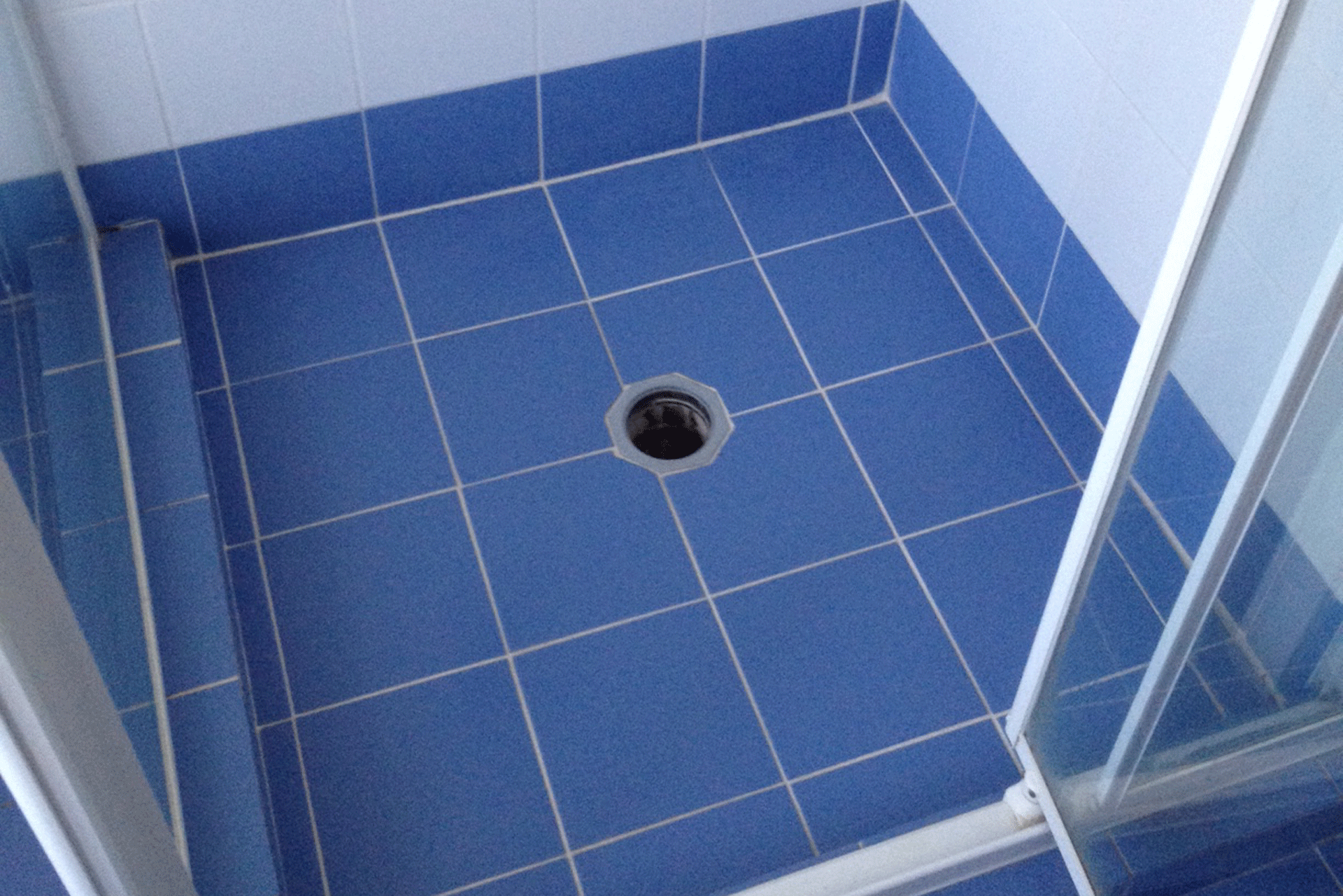
2. Why Resealing Shower Tiles is Important
- Preventing Water Damage: When the sealant and grout deteriorate, water can seep through, leading to water damage in your walls and floors. Resealing prevents this.
- Mold and Mildew Prevention: Moisture buildup in damaged grout can create an ideal environment for mold and mildew growth. Resealing inhibits their development.
- Preserving Aesthetics: Cracked and discolored grout can make your bathroom look unattractive. Resealing restores the tiles' original beauty.
- Longevity: Properly sealed tiles last longer, saving you money on repairs and replacements in the long run.
3. Tools and Materials You'll Need
When it comes to resealing shower tiles, having the right tools and materials is essential for achieving a professional-looking result and ensuring the longevity of your shower.
First and foremost, a grout and tile cleaner is crucial for preparing the surface before resealing. This cleaner is specially formulated to break down soap scum, mold, and mildew without damaging the tiles or grout. Pair it with a grout scrubbing brush to effectively remove stubborn grime from the grout lines. This step is essential as it ensures that the new sealant will adhere properly and provides a clean surface for the resealing process.
In cases where the existing grout is cracked or damaged, a grout removal tool becomes necessary. This tool, such as a grout saw or rotary tool with a grout removal bit, allows you to carefully remove the old grout without damaging the tiles. Once the old grout is removed, you'll need to apply new grout using a grout float. The float helps to press the grout evenly into the gaps between tiles, ensuring a tight seal and a neat finish. Similarly, silicone caulk is essential for sealing joints and corners where tiles meet. It's important to choose a waterproof silicone caulk suitable for bathrooms to prevent water damage.
A caulking gun makes applying the caulk easier and more precise, ensuring a clean seal. Additionally, using masking tape to mask off areas you don't want to accidentally seal, such as the edges of tiles or fixtures, helps maintain a tidy application. Finally, a microfiber cloth or sponge is handy for wiping away excess grout or sealant as you work, leaving behind a clean surface. With these tools and materials at your disposal, resealing your shower tiles becomes a manageable task that yields professional results and keeps your bathroom looking its best.
Before you begin, gather the following tools and materials:
- Safety Gear: Gloves and safety goggles for protection.
- Grout Saw: To remove old grout.
- Caulk Gun: For applying new sealant.
- Grout Float: To spread new grout.
- Tile and Grout Cleaner: To clean the tiles thoroughly.
- New Sealant and Grout: Choose a high-quality, mold-resistant product.
- Utility Knife: For precise cutting.
- Sponge and Rags: To clean and wipe excess sealant.

4. Step-by-Step Guide
4.1 Preparation
Preparing the shower tiles properly before resealing is crucial for ensuring a durable and effective seal.
- First, begin by thoroughly cleaning the tiles and grout. This involves using a grout and tile cleaner to remove any built-up grime, soap scum, or mold. It's essential to choose a cleaner that is safe for both the tiles and the grout. Apply the cleaner generously and allow it to sit for a few minutes to penetrate the dirt. Then, use a stiff-bristled brush to scrub the grout lines and tiles, focusing on areas with heavy buildup. Rinse the surface thoroughly with water to remove any residue from the cleaner. Ensure the surface is completely dry before proceeding, as moisture can interfere with the adhesion of the new sealant.
- Next, inspect the grout and tiles for any signs of damage. Cracked or crumbling grout should be addressed before resealing. If necessary, use a grout removal tool to carefully remove the damaged grout without causing any harm to the tiles. Once the grout is in good condition, it's time to check for any missing or loose tiles. Secure any loose tiles and replace any missing ones to ensure a solid and even surface for resealing.
- After cleaning and inspecting the tiles and grout, it's important to protect areas that you don't want to seal. Use masking tape to cover edges of tiles, fixtures, and any other areas where you don't want the sealant to adhere. This step helps to achieve clean lines and prevents accidental sealing of unwanted areas. Proper preparation ensures that the new sealant adheres well to the surface, providing effective protection against water damage and keeping your shower looking fresh and clean for longer.
Proper preparation is key to successfully resealing shower tiles. By following these preparation steps, you'll ensure that your shower tiles are clean, smooth, and ready for resealing. Proper preparation sets the foundation for a successful resealing job and helps to achieve long-lasting results.
4.2 Removing Old Sealant and Grout
- Assess the Condition: Before starting, inspect the existing sealant and grout. Look for any signs of wear, cracking, or discoloration. If the sealant is intact and in good condition, you may only need to clean it rather than remove it entirely. However, if the sealant is cracked or peeling, or if the grout is damaged, removal may be necessary.
- Use a Sealant Remover (for Sealant): If the existing sealant needs to be removed, start by applying a sealant remover. There are various types available, such as chemical removers or gel-based solutions. Follow the manufacturer's instructions carefully. Typically, you'll apply the remover to the old sealant and let it sit for a specified amount of time to soften it. Then, use a scraper or putty knife to gently remove the softened sealant. Be cautious not to scratch or damage the tiles.
- Use a Grout Removal Tool (for Grout): For removing old grout, a grout removal tool is necessary. Options include manual grout saws or electric rotary tools with grout removal attachments. Carefully run the tool along the grout lines, applying gentle pressure to avoid damaging the tiles. Take your time and work systematically to remove all the old grout.
- Clean the Area: Once the old sealant and grout are removed, thoroughly clean the area with a grout and tile cleaner. This removes any remaining residue and prepares the surface for resealing. Use a scrubbing brush to ensure all debris is cleared from the grout lines and tile surfaces.
- Dry the Area: After cleaning, ensure the area is completely dry before proceeding with resealing. Moisture can interfere with the adhesion of the new sealant. Use a dry cloth or allow the area to air dry thoroughly.

4.3 Cleaning the Tiles
- Choose the Right Cleaner: Select a cleaner specifically designed for tiles and grout. Look for a product that is suitable for your tile material (such as ceramic, porcelain, or natural stone) and is safe to use in a bathroom environment.
- Prepare the Cleaning Solution: Follow the manufacturer's instructions to prepare the cleaning solution. Typically, this involves diluting the cleaner with water in a bucket or spray bottle.
- Apply the Cleaner: Spray the cleaning solution generously onto the tiles and grout lines. Ensure that the entire surface is covered, especially areas with visible dirt, soap scum, or mold. Allow the cleaner to sit for a few minutes to penetrate the grime.
- Scrub the Tiles: Use a scrubbing brush with stiff bristles to scrub the tiles and grout lines. Apply firm pressure, particularly on stubborn stains or areas with heavy buildup. Work in small sections to ensure thorough cleaning.
- Focus on Grout Lines: Pay special attention to the grout lines, as they tend to accumulate more dirt and grime. Use the scrubbing brush to agitate the grout, breaking up any mold or mildew growth. Work the brush in circular motions to lift the dirt from the grout.
- Rinse Thoroughly: Once you've scrubbed the tiles and grout, rinse the entire surface thoroughly with clean water. Use a sponge or cloth to wipe away the cleaning solution and any loosened dirt. Rinse repeatedly until all traces of cleaner are removed.
- Dry the Tiles: Use a clean, dry towel or cloth to dry the tiles and grout lines. Ensure that the surface is completely dry before proceeding with resealing. This step is crucial, as moisture can affect the adhesion of the new sealant.
4.4 Applying New Sealant
- Choose the Right Sealant: Select a high-quality silicone-based sealant specifically designed for bathrooms. Make sure it's mold and mildew resistant, as this will help prevent future growth and maintain the cleanliness of your shower.
- Prepare the Area: Before applying the new sealant, ensure the tiles and grout are clean, dry, and free of any residue from the cleaning process. Use a cloth or towel to wipe away any remaining moisture.
- Cut the Tip of the Sealant Tube: Using a sharp utility knife, carefully cut the tip of the sealant tube at a 45-degree angle. Cut a small opening to control the flow of sealant.
- Apply the Sealant: Hold the sealant tube at a 45-degree angle and gently squeeze the trigger to dispense the sealant along the joint between the tiles. Apply a steady and even bead of sealant, working in small sections at a time. Be careful not to apply too much sealant, as excess can create a messy appearance.
- Smooth the Sealant: After applying the sealant, use a sealant smoothing tool or your finger (dipped in soapy water) to smooth and shape the sealant bead. Run the tool or your finger along the joint in one continuous motion to create a neat and even finish. Wipe away any excess sealant with a damp cloth.
- Allow the Sealant to Dry: Let the sealant dry for the recommended time specified on the product packaging. Avoid using the shower during this time to prevent disturbing the sealant.
- Check for Uniformity: Once the sealant is dry, inspect the joints to ensure that the sealant is uniform and there are no gaps or uneven areas. If necessary, apply additional sealant to fill any gaps.
4.5 Final Touches
After applying the new sealant to your shower tiles, there are a few final touches to complete the process and ensure a professional finish:
- Clean Up Excess Sealant: Use a damp cloth or sponge to gently wipe away any excess sealant that may have smudged onto the tiles or surrounding surfaces during application. This helps to maintain a clean and tidy appearance.
- Remove Masking Tape: If you used masking tape to protect certain areas from sealant, carefully peel it off once the sealant has been applied and smoothed. Peel it away slowly and at a 45-degree angle to ensure clean lines.
- Allow the Sealant to Cure: Let the sealant dry and cure fully according to the manufacturer's instructions. This usually takes around 24 hours. Avoid using the shower during this time to allow the sealant to set properly.
- Inspect the Sealed Joints: After the sealant has dried, inspect the sealed joints to ensure that they are smooth, uniform, and free of gaps. If you notice any imperfections or areas that need touch-ups, apply additional sealant as needed.
- Clean and Polish the Tiles: Once the sealant has fully cured, give the tiles a final cleaning to remove any remaining residue or fingerprints. Use a mild cleaning solution and a soft cloth or sponge to gently wipe down the tiles. If desired, you can also apply a tile polish or sealant enhancer to restore shine and protect the tiles.
- Enjoy Your Newly Sealed Shower: With the final touches complete, your shower tiles are now clean, protected, and ready to use. Enjoy the fresh look and peace of mind knowing that your shower is well-maintained and protected against water damage.
By following these final touches, you can ensure that your resealing project is completed to a high standard, leaving your shower looking its best and maintaining its integrity for years to come.

5. FAQs
Q1: How often should I reseal my bathroom shower tiles?
A1: It is recommended to reseal your shower tiles every 1-2 years to maintain their integrity and prevent water damage.
Q2: Can I use any sealant for my shower tiles?
A2: No, it's essential to use a sealant specifically designed for bathrooms. Look for one that is mold-resistant and waterproof.
Q3: What should I do if there's mold under the tiles?
A3: If you suspect mold growth beneath the tiles, it's best to consult a professional. They can assess the situation and recommend the appropriate course of action.
6. Conclusion
Resealing bathroom shower tiles is a simple yet effective way to maintain the beauty and functionality of your bathroom. By following the steps outlined in this guide, you can prevent water damage, mold growth, and ensure the longevity of your shower tiles. Don't wait until problems arise; make resealing a part of your regular bathroom maintenance routine.
After time, your grout may get dingy and need some cleaning. How to seal a natural stone tile shower: You can remove old silicone from a shower tray easily.
Cleaning Grout Lines
Step 1: Gather Your Supplies
- Grout cleaner: You can purchase a commercial grout cleaner or make a DIY solution using baking soda and water.
- Scrub brush or an old toothbrush: Choose a brush with stiff bristles to scrub away grime.
- Bucket of warm water: To rinse the grout.
- White vinegar: This natural cleaner can help remove tough stains and mold.
- Grout sealer: You'll use this in the resealing step.
- Clean cloth or sponge: For wiping and drying the grout.
Step 2: Preparing the Grout
- Inspect the Grout: Before starting, inspect the existing grout to assess its condition. Look for any cracks, discoloration, or signs of mold or mildew. If the grout is damaged or deteriorating, it will need to be repaired or replaced before resealing.
- Clean the Grout: Use a grout and tile cleaner to thoroughly clean the grout lines. Spray the cleaner onto the grout and allow it to sit for a few minutes to loosen dirt and grime. Then, use a stiff-bristled brush to scrub the grout lines, focusing on areas with heavy buildup. Rinse the grout thoroughly with clean water and allow it to dry completely before proceeding.
- Remove Old Grout (if necessary): If the existing grout is cracked or damaged beyond repair, it will need to be removed and replaced. Use a grout removal tool, such as a grout saw or rotary tool with a grout removal bit, to carefully remove the old grout. Take care not to damage the tiles during this process.
- Mix New Grout (if necessary): If you've removed old grout or if the existing grout is in poor condition, you'll need to mix and apply new grout. Follow the manufacturer's instructions to mix the grout to the correct consistency. Typically, this involves adding water to the grout powder and stirring until smooth.
- Apply New Grout: Use a grout float to apply the new grout to the joints between the tiles. Hold the float at a 45-degree angle and press the grout firmly into the joints, ensuring they are completely filled. Work in small sections at a time to prevent the grout from drying out before you can finish.
- Remove Excess Grout: Once the grout has been applied, use the edge of the grout float or a grout sponge to remove excess grout from the surface of the tiles. Hold the float or sponge at a 45-degree angle and gently wipe diagonally across the tiles to remove the excess grout. Rinse the sponge frequently in clean water to prevent smearing.
- Allow the Grout to Cure: Let the grout dry and cure for the recommended time specified by the manufacturer. Avoid using the shower during this time to prevent disturbing the grout.
Step 3: Apply Grout Cleaner
- Choose the Right Cleaner: Select a grout cleaner that is suitable for your type of grout and safe to use on your tiles. There are various types available, including spray-on cleaners, gel-based cleaners, and concentrated solutions. Read the label carefully to ensure it is compatible with your grout and tiles.
- Prepare the Area: Before applying the grout cleaner, remove any surface debris or loose dirt from the grout lines. Sweep or vacuum the area to ensure it's clean.
- Apply the Cleaner: Depending on the type of cleaner you're using, follow the manufacturer's instructions for application. For spray-on cleaners, simply spray the cleaner directly onto the grout lines. If you're using a gel-based cleaner or concentrated solution, apply it to the grout lines using a brush or sponge.
- Agitate the Grout: Use a stiff-bristled brush or grout brush to agitate the cleaner into the grout lines. Scrub the grout lines vigorously to loosen any dirt, grime, or stains. Focus on areas with heavy buildup or discoloration.
- Allow the Cleaner to Work: Let the cleaner sit on the grout for the recommended amount of time specified by the manufacturer. This allows the cleaner to penetrate the grout and break down stubborn stains and buildup.
- Scrub Again (if necessary): For particularly tough stains or heavily soiled grout, you may need to scrub the grout lines again after the cleaner has had time to work. Use the brush to agitate the grout once more, paying close attention to problem areas.
- Rinse Thoroughly: Once the cleaner has had time to work its magic, thoroughly rinse the grout lines with clean water. Use a sponge or cloth to wipe away the cleaner and any loosened dirt. Rinse repeatedly until all traces of cleaner are removed.
- Dry the Grout: Use a dry cloth or towel to dry the grout lines thoroughly. Ensure that the grout is completely dry before proceeding with resealing.
Step 4: Scrub the Grout
- Choose the Right Tool: Select a stiff-bristled brush or grout brush that is suitable for the size of your grout lines. You can find specialized grout brushes designed specifically for this task, or you can use an old toothbrush for smaller areas.
- Apply Grout Cleaner: Before scrubbing, apply a suitable grout cleaner to the grout lines. You can use a commercial grout cleaner or make your own using a mixture of baking soda and water, vinegar and water, or hydrogen peroxide. Apply the cleaner directly onto the grout lines.
- Scrub in a Circular Motion: Starting at one end of the grout lines, use the brush to scrub the grout in a circular motion. Apply firm pressure to ensure that the bristles penetrate into the grout and lift away dirt and grime. Work in small sections at a time to ensure thorough cleaning.
- Focus on Problem Areas: Pay special attention to areas with heavy buildup, stains, or discoloration. These areas may require extra scrubbing to remove stubborn dirt. If necessary, apply more cleaner and scrub these areas again.
- Rinse Frequently: As you scrub, rinse the brush frequently in clean water to remove loosened dirt and prevent it from redepositing onto the grout lines. This helps to ensure that you're effectively cleaning the grout without spreading dirt around.
- Wipe Away Excess Cleaner: Periodically, use a clean damp cloth or sponge to wipe away excess cleaner and dirt from the grout lines. This allows you to see your progress and prevents the cleaner from drying on the grout.
- Continue Until Clean: Continue scrubbing the grout lines until they are clean and free of dirt, stains, and buildup. This may take some time, especially if the grout is heavily soiled or neglected.
- Rinse Thoroughly: Once you've finished scrubbing, rinse the grout lines thoroughly with clean water. Use a sponge or cloth to wipe away any remaining cleaner and dirt.
- Allow to Dry: Let the grout lines dry completely before proceeding with resealing. This ensures that the new sealant will adhere properly to the clean, dry surface.
Step 5: Rinse with Warm Water
- Prepare Warm Water: Fill a bucket or container with warm water. The water should be comfortably warm, but not too hot.
- Dampen a Sponge or Cloth: Dip a clean sponge or cloth into the warm water and wring out any excess water.
- Wipe the Grout Lines: Gently wipe the grout lines with the damp sponge or cloth, starting from one end and working your way to the other. Use a back-and-forth motion to ensure thorough rinsing.
- Change the Water: As the water becomes dirty, rinse out the sponge or cloth and refill the bucket with fresh warm water.
- Repeat as Needed: Continue wiping the grout lines with the warm water until you're satisfied that all traces of cleaner and dirt have been removed. This may require several passes, especially if the grout was heavily soiled.
- Dry the Grout: Once the grout lines are thoroughly rinsed, use a dry cloth or towel to pat them dry. Absorb as much moisture as possible to speed up the drying process.
- Allow to Air Dry: Finally, allow the grout lines to air dry completely before proceeding with resealing. This usually takes a few hours, depending on the ventilation in the room.
Step 6: Address Mold with Vinegar
- Prepare Vinegar Solution: Fill a spray bottle with undiluted white vinegar. Vinegar is acidic and has antimicrobial properties that help kill mold and prevent its growth.
- Apply Vinegar to Moldy Areas: Spray the vinegar solution directly onto the moldy areas of the grout. Ensure that the affected areas are thoroughly saturated with vinegar.
- Let it Sit: Allow the vinegar to sit on the moldy grout for at least 10-15 minutes. This gives the vinegar time to penetrate the mold and kill it.
- Scrub the Grout: After the vinegar has had time to work, use a stiff-bristled brush or an old toothbrush to scrub the moldy grout. Apply firm pressure and scrub in a circular motion to lift away the mold.
- Rinse with Warm Water: Once you've scrubbed the moldy grout, rinse the area with warm water to remove the vinegar and any loosened mold. Use a clean sponge or cloth to wipe away the excess water.
- Repeat if Necessary: For stubborn mold stains, you may need to repeat the process a few times until the mold is completely removed.
- Dry the Grout: After rinsing, use a dry cloth or towel to pat the grout dry. It's important to ensure that the grout is completely dry before resealing.
- Ventilate the Area: To prevent mold from returning, ensure that the bathroom is well-ventilated. Use exhaust fans or open windows to improve air circulation and reduce moisture levels.
Step 7: Allow to Dry
- Air Dry: Once you've finished rinsing the grout with warm water, allow it to air dry naturally. Open windows or turn on a fan to promote air circulation and speed up the drying process.
- Use a Dry Cloth: If you're in a hurry or if the grout is taking too long to dry, you can use a dry cloth or towel to gently pat the grout dry. Be careful not to disturb the grout lines too much.
- Check for Dampness: After a while, check the grout to ensure that it's completely dry. Use your fingers to touch the grout lines and check for any remaining dampness.
- Wait Until Fully Dry: It's essential to wait until the grout is fully dry before proceeding with resealing. Moisture can interfere with the adhesion of the sealant and may lead to ineffective sealing.
- Allow Sufficient Time: Depending on the humidity levels and ventilation in your bathroom, drying times may vary. In general, it may take several hours to overnight for the grout to dry completely.
- Check Again: Before applying the sealant, double-check that the grout is dry. Look for any signs of dampness or moisture. If the grout still feels damp, give it more time to dry.
- Ensure Proper Ventilation: To aid in drying, keep the bathroom well-ventilated. Use exhaust fans or open windows to allow fresh air to circulate and moisture to evaporate.


