10 Cutting-Edge Ideas to Illuminate Your Space with Modern Ceiling Glass
10 Cutting-Edge Ideas to Illuminate Your Space with Modern Ceiling Glass
Elevate your space with modern ceiling glass. Discover 10 innovative ideas to illuminate your home or office with sophistication and style.
Introduction
In the realm of interior design, few elements offer the blend of elegance and functionality quite like modern ceiling glass. This versatile material not only adds a touch of contemporary charm but also maximizes natural light, creating an ambiance of spaciousness and luminosity. In this article, we explore ten ingenious ideas to integrate modern ceiling glass into your living or working space, enhancing aesthetics and comfort alike.
Embracing Transparency: Modern Ceiling Glass in Contemporary Architecture
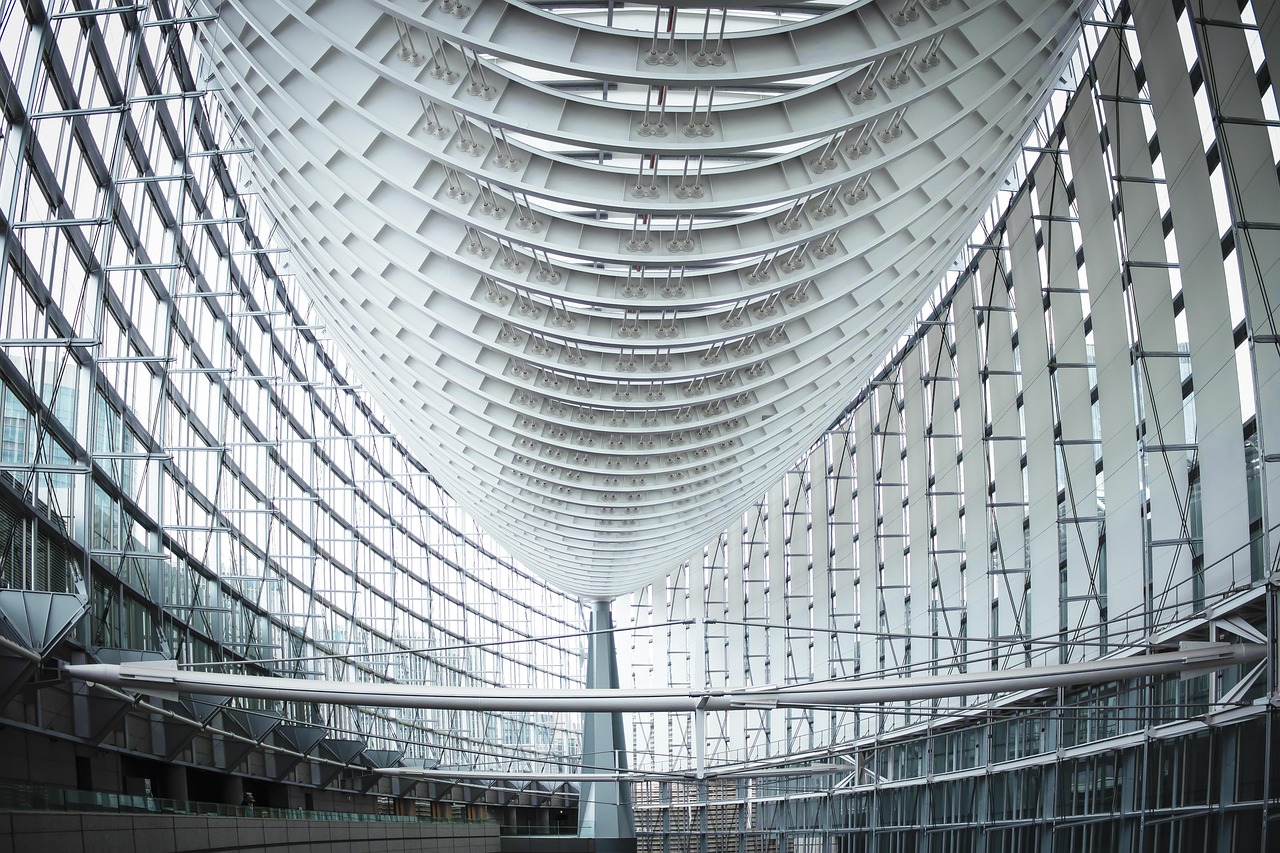
Modern Ceiling Glass has revolutionized contemporary architecture, ushering in an era of openness and transparency. Architects and interior designers worldwide are embracing this trend to create visually stunning spaces that blur the boundaries between indoors and outdoors. From sleek residential lofts to cutting-edge corporate headquarters, modern ceiling glass infuses spaces with an air of sophistication and modernity.
In contemporary architecture, the concept of transparency has taken center stage, and modern ceiling glass plays a pivotal role in bringing this vision to life. Unlike traditional opaque ceilings, modern ceiling glass introduces an element of openness and connectivity, blurring the boundaries between indoor and outdoor spaces. This architectural innovation allows natural light to flood interiors, creating a sense of expansiveness and airiness. Moreover, modern ceiling glass facilitates unobstructed views of the surrounding landscape, forging a seamless integration between the built environment and nature.
Beyond its aesthetic appeal, embracing transparency through modern ceiling glass embodies a commitment to sustainability and energy efficiency. By harnessing natural daylight as a primary light source, buildings can significantly reduce their reliance on artificial lighting, thereby lowering energy consumption and operating costs. Additionally, the use of energy-efficient glazing materials helps regulate indoor temperatures, minimizing the need for excessive heating or cooling. From both an environmental and economic standpoint, modern ceiling glass represents a forward-thinking approach to architectural design, aligning with the principles of green building practices and sustainable development.
Furthermore, modern ceiling glass fosters a sense of connectivity and community within architectural spaces. By allowing occupants to visually engage with their surroundings, whether it's a bustling urban skyline or a serene natural landscape, glass ceilings promote a sense of belonging and shared experience. In commercial settings, this transparency can enhance productivity and creativity by fostering a sense of openness and collaboration among employees. In residential contexts, it fosters a deeper connection with the outdoors, promoting well-being and mental health. In essence, embracing modern ceiling glass in contemporary architecture transcends mere aesthetics; it embodies a philosophy of transparency, sustainability, and human-centered design.
Maximizing Natural Light: A Brighter Outlook with Modern Ceiling Glass
One of the most significant advantages of modern ceiling glass is its ability to maximize natural light infiltration. By eliminating barriers and partitions, such as solid walls and opaque ceilings, modern ceiling glass floods interiors with sunlight, reducing reliance on artificial lighting and fostering a healthier, more sustainable environment.
In contemporary architectural design, the integration of modern ceiling glass has become synonymous with the pursuit of maximizing natural light within built environments. This innovative approach not only enhances the visual appeal of spaces but also fosters a myriad of benefits for occupants. By replacing conventional ceilings with expansive glass panels, architects and designers are able to harness the transformative power of sunlight, creating interiors that exude warmth, vitality, and a sense of openness.
The incorporation of modern ceiling glass facilitates the seamless penetration of natural light deep into interior spaces, illuminating even the darkest corners of a room. This abundant influx of sunlight serves to diminish the reliance on artificial lighting during daylight hours, thereby reducing energy consumption and operating costs. Moreover, exposure to natural light has been scientifically proven to enhance mood, productivity, and overall well-being, making it a valuable asset in both residential and commercial settings.
Beyond its practical benefits, modern ceiling glass also serves as a conduit for architectural expression and innovation. By blurring the boundaries between indoors and outdoors, glass ceilings create a visual connection with the surrounding environment, offering panoramic views of the sky, foliage, or urban landscape. This integration of natural elements not only enhances the aesthetic appeal of a space but also instills a sense of harmony and tranquility within the built environment.
In conclusion, modern ceiling glass represents a paradigm shift in architectural design, offering a brighter outlook by maximizing the potential of natural light. Through its ability to illuminate, inspire, and connect, glass ceilings transcend mere structural elements to become catalysts for creativity, sustainability, and human-centric design.
Expanding Visual Space: Creating Illusions of Spaciousness
In cramped or confined spaces, modern ceiling glass works wonders by creating illusions of expansiveness. By extending sightlines upwards and outwards, glass ceilings visually enlarge rooms, making them feel more airy and open. This optical trickery is especially effective in compact urban dwellings and commercial establishments where space is at a premium.
In the realm of interior design, the concept of visual space goes beyond mere square footage; it encompasses the perception of openness and expansiveness within a confined area. One effective technique for achieving this illusion of spaciousness is through strategic design choices, including the use of modern ceiling features such as vaulted ceilings, skylights, and, most notably, modern ceiling glass.
By incorporating modern ceiling glass into architectural designs, designers can capitalize on the transformative power of natural light to create the perception of a larger, airier space. The transparency of glass ceilings allows uninterrupted views of the sky or surrounding environment, blurring the boundaries between indoors and outdoors. This seamless integration of interior and exterior elements fosters a sense of continuity and expansiveness, effectively expanding the visual space within a room.
Furthermore, modern ceiling glass serves as a conduit for enhancing architectural elements that contribute to the illusion of spaciousness. For instance, when paired with minimalist furnishings, clean lines, and reflective surfaces, glass ceilings amplify the sense of openness and lightness within a space. Additionally, the reflective properties of glass surfaces bounce natural light off walls and floors, creating a luminous ambiance that further enhances the perception of spaciousness.
In conclusion, by leveraging the transparency and luminosity of modern ceiling glass, designers can create illusions of spaciousness that transcend physical constraints. Through thoughtful integration and strategic design, glass ceilings serve as powerful tools for expanding visual space, enriching interior environments, and fostering a sense of openness and freedom within architectural spaces.
Customized Elegance: Tailoring Modern Ceiling Glass to Your Aesthetic
Modern ceiling glass is highly customizable, offering endless possibilities for personalization and creative expression. Whether you prefer minimalist simplicity or avant-garde extravagance, glass ceilings can be tailored to suit your aesthetic preferences seamlessly. From frosted panels to stained glass embellishments, the options are as diverse as your imagination.
Customized Elegance: Tailoring Modern Ceiling Glass to Your Aesthetic
In the realm of contemporary architecture and interior design, the allure of modern ceiling glass lies not only in its functionality but also in its ability to serve as a canvas for customized elegance. Unlike traditional ceilings, which often remain static and unremarkable, modern ceiling glass offers endless possibilities for tailoring the aesthetic of a space to reflect individual tastes and preferences.
One of the key advantages of modern ceiling glass is its versatility in design, allowing for customization to suit a wide range of architectural styles and interior motifs. Whether you prefer a sleek and minimalist look or a more opulent and luxurious ambiance, glass ceilings can be tailored to accommodate diverse aesthetic sensibilities. From frosted and textured glass for a touch of modern sophistication to stained glass panels for a classic, timeless appeal, the options are virtually limitless.
Furthermore, modern ceiling glass lends itself to a variety of decorative treatments and embellishments, further enhancing its aesthetic appeal. Etched patterns, geometric designs, or even custom artwork can be incorporated into glass ceilings to add visual interest and personality to a space. Additionally, the use of LED lighting systems embedded within glass panels allows for dynamic lighting effects, creating a truly bespoke atmosphere tailored to specific moods and occasions.
Moreover, the transparency of modern ceiling glass serves to amplify the architectural elements and interior features of a space, allowing them to take center stage. Whether it's showcasing exposed wooden beams, structural elements, or stunning panoramic views, glass ceilings elevate the overall aesthetic of a room while maintaining a sense of openness and continuity.
In conclusion, modern ceiling glass offers a unique opportunity for homeowners and designers alike to customize and elevate the aesthetic of interior spaces. By embracing the versatility and elegance of glass ceilings, individuals can create personalized environments that exude sophistication, style, and individuality. Whether used in residential or commercial settings, modern ceiling glass serves as a testament to the transformative power of design in shaping the way we experience and interact with our surroundings.
Integration with Smart Technology: A Seamless Blend of Form and Function
The integration of modern ceiling glass with smart technology has elevated its appeal to new heights. Motorized retractable panels, automated shading systems, and programmable LED lighting allow for seamless control and customization, enhancing both convenience and ambiance. With just a tap on your smartphone, you can transform your space instantly, adapting to changing needs and moods.
In the ever-evolving landscape of modern architecture, the integration of smart technology has become synonymous with innovation and efficiency. When combined with modern ceiling glass, this marriage of technology and design offers a seamless blend of form and function, elevating the way we interact with our living spaces.
One of the most compelling aspects of integrating smart technology with modern ceiling glass is its ability to enhance comfort and convenience within the home. With the advent of smart lighting systems, occupants can effortlessly control the brightness and color temperature of overhead lights, creating the perfect ambiance for any occasion. Additionally, automated blinds or shades can be integrated with glass ceilings to regulate natural light levels and maintain optimal temperature control throughout the day.
Moreover, modern ceiling glass serves as an ideal platform for the incorporation of advanced multimedia and entertainment systems. From built-in speakers and projection screens to immersive LED displays, glass ceilings offer endless possibilities for creating immersive audiovisual experiences within residential and commercial spaces. Whether it's hosting movie nights or streaming music, the integration of smart technology with glass ceilings transforms ordinary rooms into dynamic multimedia environments.
Furthermore, the transparency of modern ceiling glass facilitates seamless integration with voice-controlled assistants and home automation systems. By connecting glass ceilings to smart home hubs, occupants can effortlessly adjust lighting, temperature, and audio settings using voice commands or mobile devices. This level of connectivity not only enhances convenience but also contributes to energy efficiency and sustainability by optimizing resource usage based on occupancy patterns and preferences.
In conclusion, the integration of smart technology with modern ceiling glass represents a paradigm shift in architectural design, offering a harmonious blend of aesthetics and functionality. By leveraging the power of automation, connectivity, and personalization, glass ceilings serve as dynamic hubs for modern living, enriching the way we experience and interact with our built environments. Whether it's creating immersive entertainment spaces or enhancing everyday comfort, the possibilities are truly limitless when technology and design converge seamlessly overhead.
Sustainable Design: Modern Ceiling Glass and Eco-Friendly Living
In an era of increasing environmental awareness, sustainable design solutions are more relevant than ever. Modern ceiling glass contributes to eco-friendly living by optimizing energy efficiency and reducing reliance on artificial lighting and heating. Additionally, advancements in glass manufacturing techniques have led to the development of energy-efficient coatings and materials, further minimizing environmental impact.
In the era of environmental consciousness and sustainable living, the integration of modern ceiling glass into architectural design has emerged as a symbol of eco-friendly innovation. Unlike conventional building materials, glass ceilings offer a unique opportunity to marry aesthetic appeal with sustainable principles, making them an ideal choice for eco-conscious homeowners and designers alike.
One of the primary benefits of modern ceiling glass lies in its ability to harness natural light as a renewable energy source. By maximizing daylight penetration into interior spaces, glass ceilings reduce the need for artificial lighting during daylight hours, thereby lowering energy consumption and reducing carbon emissions. This not only contributes to cost savings but also minimizes the environmental impact associated with traditional lighting systems.
Furthermore, modern ceiling glass can be paired with energy-efficient glazing technologies to enhance thermal performance and insulation. Low-emissivity coatings and double or triple-pane glass units help regulate indoor temperatures, reducing reliance on heating and cooling systems and improving overall energy efficiency. Additionally, the use of insulated glass units with argon or krypton gas fills further enhances thermal resistance, creating a more comfortable and sustainable indoor environment.
Moreover, modern ceiling glass promotes sustainable living by fostering a deeper connection with the natural world. The transparency of glass ceilings allows occupants to enjoy unobstructed views of the surrounding environment, whether it's lush greenery, blue skies, or starlit nights. This visual connection with nature not only enhances the aesthetic appeal of interior spaces but also promotes a sense of well-being and environmental stewardship.
In conclusion, modern ceiling glass represents a paradigm shift in sustainable design, offering a holistic approach to eco-friendly living. By harnessing the power of natural light, optimizing thermal performance, and fostering a connection with the outdoors, glass ceilings embody the principles of sustainability, innovation, and environmental responsibility. As we strive to create healthier, more sustainable built environments, modern ceiling glass serves as a shining example of how design can seamlessly integrate beauty, functionality, and environmental consciousness.
Acoustic Considerations: Balancing Transparency with Privacy and Sound Control
While modern ceiling glass offers unparalleled transparency, it also raises concerns regarding privacy and sound control. Innovative solutions such as acoustic laminated glass address these challenges by providing a barrier against noise pollution while maintaining visual openness. Whether in residential settings or open-plan offices, acoustic considerations are crucial for ensuring comfort and functionality.
In the realm of architectural design, the integration of modern ceiling glass presents a unique set of challenges and opportunities when it comes to acoustic considerations. While glass ceilings offer transparency and openness, they also raise concerns related to privacy and sound control. Balancing these factors requires a thoughtful approach that takes into account both aesthetic preferences and practical considerations.
One of the primary concerns associated with modern ceiling glass is its potential to compromise privacy due to its transparent nature. In open-plan living spaces or commercial environments, the use of glass ceilings may inadvertently expose occupants to unwanted noise or visual distractions from adjacent areas. To address this issue, designers can incorporate privacy-enhancing features such as frosted or tinted glass, which maintain transparency while obscuring visibility from outside observers. Additionally, the strategic placement of acoustic baffles or sound-absorbing materials can help mitigate noise transmission and enhance privacy within glass-ceilinged spaces.
Furthermore, modern ceiling glass offers opportunities for creative solutions to acoustic challenges while maintaining transparency and openness. For instance, laminated or insulated glass units with interlayers can provide enhanced sound insulation properties, effectively reducing noise transmission between floors or rooms. Additionally, the use of sound-diffusing elements such as textured glass surfaces or decorative acoustic panels can help scatter sound waves and minimize reverberation, creating a more comfortable and acoustically balanced environment.
Moreover, the integration of smart technologies such as motorized blinds or electrochromic glass allows for dynamic control over privacy and transparency levels. By adjusting the opacity of glass ceilings in response to changing environmental conditions or user preferences, occupants can enjoy the benefits of natural light and panoramic views without compromising privacy or acoustic comfort.
In conclusion, addressing acoustic considerations in the context of modern ceiling glass requires a multifaceted approach that balances transparency with privacy and sound control. By incorporating innovative design solutions, materials, and technologies, designers can create glass-ceilinged spaces that offer the best of both worlds: openness and connectivity, along with privacy and acoustic comfort. As we continue to explore the potential of modern architecture, it is imperative to prioritize acoustic considerations to ensure that glass-ceilinged spaces are not only visually stunning but also functional and conducive to human well-being.
Artistic Expression: Transforming Spaces with Decorative Glass Ceilings
For those with a flair for the dramatic, decorative glass ceilings offer a canvas for artistic expression. From intricate patterns to vibrant colors, glass ceilings can serve as captivating focal points, adding drama and personality to any interior. Whether inspired by nature, culture, or abstract concepts, artistic glass installations elevate spaces to realms of artistic wonder.
In the realm of architectural design, decorative glass ceilings have emerged as a powerful means of artistic expression, offering designers a versatile canvas to unleash their creativity and transform ordinary spaces into captivating works of art. Unlike conventional ceilings, which often serve a purely functional purpose, glass ceilings elevate interior environments through their aesthetic appeal and visual impact.
One of the most compelling aspects of decorative glass ceilings is their ability to evoke a sense of wonder and enchantment within architectural spaces. By incorporating intricate patterns, vibrant colors, or custom artwork into glass panels, designers can infuse spaces with personality and charm, creating a truly immersive and memorable experience for occupants and visitors alike.
Moreover, decorative glass ceilings offer endless opportunities for customization and personalization, allowing designers to tailor their creations to suit specific design themes, cultural influences, or client preferences. Whether it's a contemporary geometric pattern, a whimsical nature-inspired motif, or a timeless stained glass masterpiece, the possibilities for artistic expression are limited only by imagination.
Furthermore, decorative glass ceilings serve as focal points within interior spaces, drawing the eye upward and adding depth and dimension to rooms. Whether used in residential homes, commercial buildings, or public spaces, glass ceilings have the power to transform mundane environments into dynamic, visually stimulating works of art that inspire awe and admiration.
In conclusion, decorative glass ceilings represent a fusion of art and architecture, offering a platform for designers to unleash their creativity and imagination. Through innovative design techniques, intricate craftsmanship, and attention to detail, glass ceilings have the power to transform ordinary spaces into extraordinary masterpieces that captivate the senses and elevate the human experience. As we continue to push the boundaries of architectural design, decorative glass ceilings serve as a shining example of the transformative power of artistic expression in shaping the built environment.
Biophilic Design: Harmonizing Modernity with Nature
Incorporating elements of nature into interior spaces is a core principle of biophilic design, which seeks to reconnect humans with the natural world. Modern ceiling glass plays a pivotal role in this endeavor by seamlessly blending indoor and outdoor environments. By inviting views of the sky, foliage, and natural light, glass ceilings foster a sense of tranquility and well-being, enhancing overall quality of life.
In the realm of contemporary architecture and interior design, biophilic design has emerged as a powerful movement aimed at reconnecting humans with the natural world. Rooted in the innate human desire to connect with nature, biophilic design seeks to integrate natural elements and patterns into built environments, fostering a sense of harmony, well-being, and connection with the surrounding ecosystem.
One of the key principles of biophilic design is the incorporation of natural materials and textures, which evoke the sensory experiences of the outdoors within interior spaces. Modern ceiling glass serves as a prime example of this principle, allowing occupants to enjoy unobstructed views of the sky, trees, and other natural elements from the comfort of indoor environments. By blurring the boundaries between indoors and outdoors, glass ceilings create a seamless transition between built environments and the natural world, promoting a sense of tranquility and serenity.
Moreover, biophilic design emphasizes the importance of maximizing access to natural light and ventilation, both of which are inherent benefits of modern ceiling glass. By harnessing natural daylight and fresh air, glass ceilings create bright, airy interiors that promote health, productivity, and overall well-being. Additionally, the transparency of glass ceilings allows for ample sunlight to penetrate deep into interior spaces, reducing the need for artificial lighting and energy consumption.
Furthermore, biophilic design seeks to incorporate elements of nature directly into architectural spaces, such as living walls, indoor gardens, or water features. When combined with modern ceiling glass, these natural elements create immersive, multi-sensory environments that evoke a sense of calm and rejuvenation. Whether used in residential homes, office buildings, or public spaces, biophilic design fosters a deeper connection with nature, promoting ecological awareness and sustainable living practices.
In conclusion, biophilic design offers a holistic approach to architectural design, harmonizing modernity with nature to create healthier, more sustainable built environments. Through the integration of natural elements, materials, and patterns, biophilic design seeks to enhance human well-being, productivity, and quality of life while promoting ecological stewardship and environmental sustainability. As we continue to embrace biophilic principles in our designs, modern ceiling glass serves as a powerful tool for bridging the gap between the built environment and the natural world, enriching our lives and enhancing our connection to the planet.
Frequently Asked Questions (FAQs)
How durable is modern ceiling glass?
Modern ceiling glass is highly durable and resistant to breakage, especially when tempered or laminated.
Can modern ceiling glass be installed in all types of buildings?
Yes, modern ceiling glass can be installed in various types of buildings, including residential homes, commercial offices, and public facilities.
Is modern ceiling glass easy to clean and maintain?
With regular cleaning and maintenance, modern ceiling glass can retain its clarity and luster for years to come.
Does modern ceiling glass pose any safety risks?
When properly installed and maintained, modern ceiling glass is safe for use. However, precautions should be taken to prevent accidents and injuries.
Are there any privacy concerns with modern ceiling glass?
While modern ceiling glass offers transparency, privacy concerns can be addressed through the use of tinted or frosted glass panels, as well as integrated shading systems.
Can modern ceiling glass contribute to energy savings?
Yes, modern ceiling glass can help reduce energy consumption by maximizing natural light infiltration and minimizing reliance on artificial lighting and heating systems.
Conclusion
In conclusion, modern ceiling glass represents a groundbreaking innovation in interior design, offering a perfect blend of aesthetics, functionality, and sustainability. By harnessing the power of transparency, natural light, and smart technology, glass ceilings have become indispensable elements in creating spaces that inspire, uplift, and rejuvenate. Whether you're renovating your home or designing a new commercial project, modern ceiling glass holds the key to unlocking a world of possibilities.


